How Do I Know If My Dog Is Double Coated? Signs, Breeds & Grooming Guide
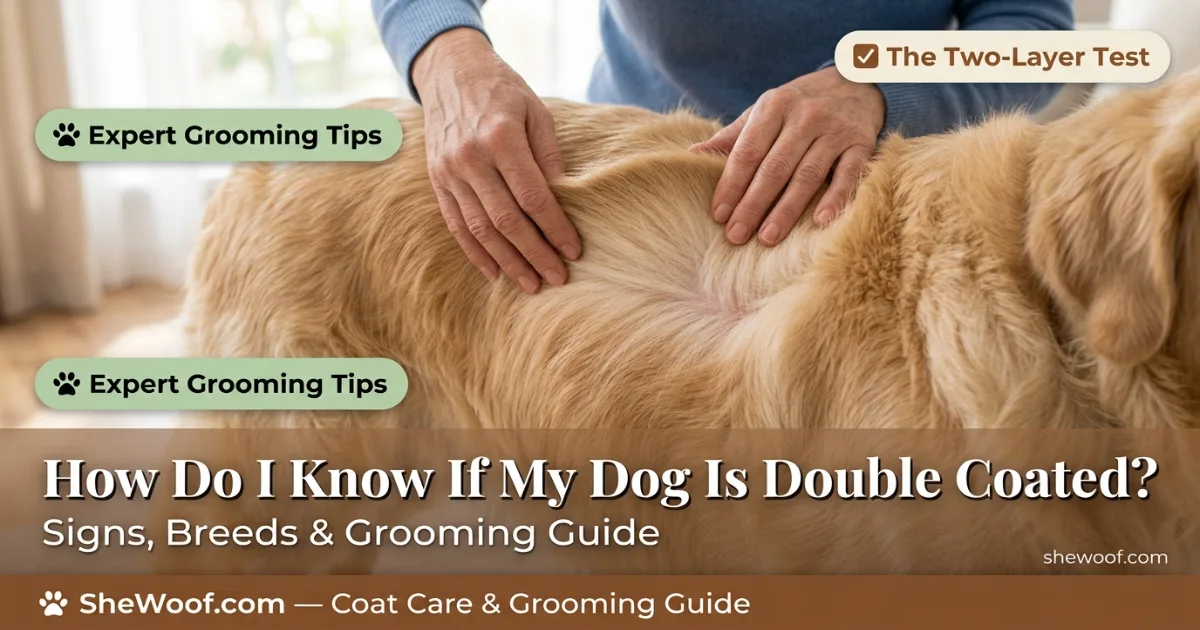
Quick Answer: You know your dog is double coated if you can part their fur and see two distinct layers — a soft, dense undercoat close to the skin and a longer, coarser topcoat. Double-coated breeds include Huskies, Malamutes, German Shepherds, Golden Retrievers, and Pomeranians. These dogs shed heavily twice a year during seasonal “coat blowouts.” The biggest mistake owners make is shaving a double-coated dog, which can permanently damage the coat’s ability to regulate temperature. Instead, use the right grooming tools — an undercoat rake and a slicker brush — to manage shedding and keep the coat healthy.
You run your hand along your dog’s back. The fur feels thick — thicker than you expected. You wonder: how do I know if my dog is double coated? It is an important question. Double-coated dogs have specific grooming needs that differ dramatically from single-coated breeds. Getting it wrong — especially shaving — can cause lasting damage to the coat and affect your dog’s ability to regulate their body temperature.
The good news is that identifying a double coat is straightforward once you know what to look for. This guide explains exactly how to tell, which breeds have double coats, how to groom them properly, and the mistakes that owners make most often.
What Is a Double Coat?
A double coat is exactly what it sounds like — two distinct layers of fur. The undercoat is soft, dense, and woolly. It sits close to the skin and acts as insulation. The topcoat is longer, coarser, and made of stiffer hairs that repel water and dirt. Together, these layers protect your dog from heat, cold, moisture, and UV rays.
Double coats are common in breeds that originated in cold climates — Siberian Huskies, Alaskan Malamutes, Samoyeds, and Bernese Mountain Dogs. But they are also found in many other breeds, from German Shepherds to Golden Retrievers to Corgis. Even some small breeds, like Pomeranians and Shetland Sheepdogs, have double coats.
The purpose of the double coat is temperature regulation. In winter, the undercoat traps warm air close to the body. In summer, the coat actually helps keep the dog cool by insulating against heat and reflecting sunlight. It also protects against bug bites, sunburn, and minor scratches. This is why shaving a double-coated dog is so damaging — it removes the very system designed to keep them comfortable.
Why This Matters for Dog Owners
Understanding your dog’s coat type affects every grooming decision you make. Double-coated dogs need different tools, different bathing routines, and different shedding management than single-coated dogs. Using the wrong tools — like a furminator on a double coat — can damage the topcoat and cause skin irritation.
The biggest risk is shaving. Many owners shave their double-coated dogs in summer, thinking it will keep them cool. It does the opposite. Without the insulating undercoat and protective topcoat, the dog is more vulnerable to heatstroke, sunburn, and skin problems. The coat may also grow back unevenly or not at all — a condition called “post-clipping alopecia.”
Finally, understanding the coat helps you manage shedding. Double-coated dogs “blow” their coats twice a year — typically in spring and fall. During these periods, shedding increases dramatically. Knowing when to expect it and how to manage it keeps your home cleaner and your dog more comfortable.
What Most Owners Get Wrong About Double Coats
The most common mistake is shaving a double-coated dog in summer. Owners think they are helping their dog stay cool. In reality, shaving removes the insulation that regulates body temperature. It also exposes the skin to sunburn and increases the risk of heatstroke. Never shave a double-coated dog unless a veterinarian recommends it for a medical reason.
Another error is using the wrong grooming tools. A Furminator or similar deshedding tool can cut through the topcoat, damaging the hair shafts and causing uneven regrowth. Use an undercoat rake instead — it removes loose undercoat without cutting the topcoat.
Some owners also bathe too frequently. Over-bathing strips natural oils from the coat and skin, leading to dryness and irritation. Double-coated dogs typically need a bath every 6 to 8 weeks, unless they get into something messy.
Which Dog Breeds Have Double Coats?
Double coats are common in many breeds, especially those from cold climates. Here are some of the most well-known:
| Breed | Coat Type | Shedding Level |
|---|---|---|
| Siberian Husky | Double coat — thick, fluffy | Very heavy — twice yearly blowouts |
| Alaskan Malamute | Double coat — thick, woolly | Very heavy |
| German Shepherd | Double coat — dense, straight | Heavy year-round |
| Golden Retriever | Double coat — water-repellent topcoat | Heavy — especially in spring and fall |
| Pomeranian | Double coat — fluffy, dense | Moderate to heavy |
| Corgi | Double coat — thick, weather-resistant | Heavy — twice yearly |
| Bernese Mountain Dog | Double coat — thick, long | Heavy |
| Shetland Sheepdog | Double coat — long, harsh topcoat | Moderate to heavy |
| Akita | Double coat — thick, plush | Heavy |
| Newfoundland | Double coat — water-resistant | Heavy |
If your dog is a mixed breed, they may still have a double coat. Breeds like Labradors, Border Collies, and Australian Shepherds often pass on the double coat trait to their mixed-breed offspring. The “two-layer test” is the best way to know for sure.

How Puppies, Adults, and Seniors Differ
Puppies have a soft, single-layer coat — the “puppy coat.” The undercoat develops as they mature, usually by 6 to 12 months of age, depending on the breed. You may not know for sure if your puppy is double coated until their adult coat comes in. During this transition, they may shed heavily — this is normal.
Adult dogs have fully developed double coats. Their shedding pattern is predictable — typically two major blowouts per year. Managing the coat during these periods requires consistent grooming. Some adults shed year-round, especially in climates with less seasonal variation.
Senior dogs may have thinner coats due to age-related changes. Their undercoat may become less dense, and their skin may be drier. They still need regular grooming, but with gentler tools and more moisturizing products. Senior dogs may also have mobility issues that make self-grooming difficult, so they rely more on you.
Step-by-Step: How to Groom a Double-Coated Dog
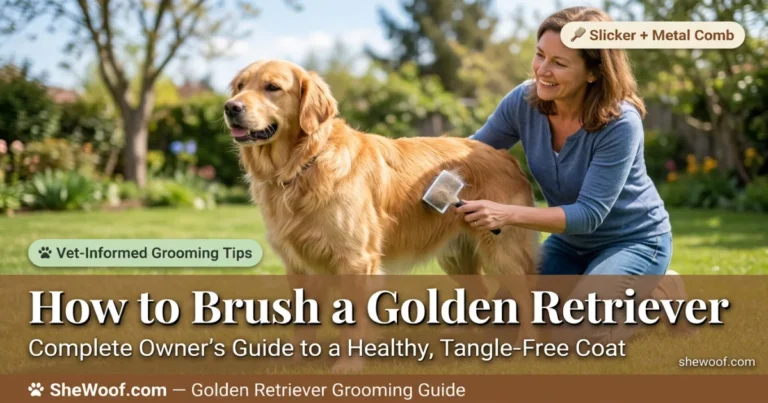
- Brush daily during shedding season. Use an undercoat rake to remove loose undercoat. Follow with a slicker brush to smooth the topcoat.
- Use the right tools. An undercoat rake, slicker brush, and metal comb are essential. Avoid Furminators, which can cut the topcoat.
- Bathe every 6 to 8 weeks. Use a dog-specific shampoo. Rinse thoroughly — leftover shampoo can cause irritation.
- Blow dry on low heat. Use a pet dryer on the lowest heat setting to remove loose undercoat and dry the coat completely.
- Never shave. Even in summer, do not shave your double-coated dog. The coat regulates temperature naturally.
- Check for mats. Pay attention to the armpits, behind the ears, and the tail area. Mats can be painful — gently work them out with a comb.
- Trim paw fur if needed. Long fur between the paw pads can collect debris. Trim carefully with blunt-tipped scissors.
- Monitor skin health. Check for redness, dryness, or irritation. If you see signs of skin problems, consult your veterinarian.
When to See a Professional Groomer
If you are unsure how to groom your double-coated dog, or if their coat has become matted, a professional groomer is your best resource. Groomers have the tools, experience, and knowledge to handle double coats without causing damage. They can also show you how to maintain the coat at home.
During shedding season, a professional deshedding treatment can dramatically reduce the amount of loose fur in your home. These treatments use special tools and techniques to remove undercoat without damaging the topcoat. They are especially useful for heavy shedders like Huskies and Malamutes.
Also see a veterinarian if your dog develops skin irritation, bald patches, or a dull, brittle coat. These can be signs of nutritional deficiencies, thyroid issues, or skin infections.

Professional grooming for a double-coated dog typically costs $50 to $120 per session, depending on the breed size, coat condition, and services included. Deshedding treatments may cost $75 to $150. Basic grooming tools — undercoat rake, slicker brush, metal comb, and pet dryer — cost $40 to $100 upfront and last for years. Investing in quality tools and regular professional grooming saves money on home cleanup and prevents painful mats.
Frequently Asked Questions About Double-Coated Dogs
Part the fur on your dog’s back with your fingers. If you see two distinct layers — a soft, dense undercoat close to the skin and a longer, coarser topcoat — your dog is double coated. Single-coated dogs have only one uniform layer of fur.
Common double-coated breeds include Siberian Huskies, Alaskan Malamutes, German Shepherds, Golden Retrievers, Pomeranians, Corgis, Bernese Mountain Dogs, Shetland Sheepdogs, Akitas, and Newfoundlands. Many mixed breeds also inherit double coats.
No. Never shave a double-coated dog. The coat regulates body temperature and protects against sunburn. Shaving increases the risk of heatstroke, sunburn, and skin infections — and the coat may grow back unevenly or not at all.
Brush your double-coated dog at least 3 to 4 times a week — daily during shedding season. Use an undercoat rake to remove loose undercoat, followed by a slicker brush to smooth the topcoat. Regular brushing prevents mats and reduces shedding in your home.
Yes, double-coated dogs shed heavily — especially during seasonal “coat blowouts” in spring and fall. Some breeds shed year-round. Regular grooming and deshedding treatments help manage the shedding and keep your dog comfortable.
Puppies have a soft, single-layer puppy coat. The undercoat develops as they mature, usually by 6 to 12 months. You may not know for sure until their adult coat comes in. The two-layer test works best on adult dogs.
Furminators and similar deshedding tools can cut through the topcoat and damage the hair shafts. For double-coated dogs, use an undercoat rake instead. It removes loose undercoat without cutting the topcoat. Consult a professional groomer if you are unsure which tools to use.
- You know your dog is double coated if you can see two distinct layers — a soft undercoat and a coarser topcoat — when you part the fur.
- Double-coated breeds include Huskies, Malamutes, German Shepherds, Golden Retrievers, Pomeranians, and many more.
- Never shave a double-coated dog. The coat regulates temperature and protects against sunburn and skin issues.
- Use the right grooming tools — an undercoat rake, slicker brush, and metal comb. Avoid Furminators that can cut the topcoat.
- Brush at least 3 to 4 times a week, bathe every 6 to 8 weeks, and consider professional deshedding treatments during shedding season.