Why Is My Dog Eating Goose Poop? The Real Reasons and How to Stop It
Estimated reading time: 12 minutes
Quick Answer: Dogs eat goose poop because it smells and tastes appealing to them, tapping into natural scavenging instincts. While it is rarely immediately toxic, goose droppings can carry harmful bacteria like Salmonella and E. coli, as well as parasites such as Giardia. The most effective way to stop the behavior is teaching a reliable “leave it” command and managing access to areas where geese gather.
You are walking through the park, enjoying a quiet morning, when your dog dives nose-first into a pile of greenish goose droppings and starts chewing like it is a gourmet meal. If you have ever asked “why is my dog eating goose poop,” you are part of a very large, very grossed-out club. It is one of the most common complaints from dog owners who live near parks, lakes, or golf courses — anywhere Canada geese have decided to make their home. And while it might seem like pure defiance, the behavior has real biological roots.
I have lived near a lake with a resident goose population for years, and I have watched my own dogs treat goose droppings like a delicacy. It is frustrating, it is unsanitary, and it is surprisingly difficult to stop once the habit is established. But understanding why dogs do it — and what risks it actually carries — is the first step toward managing it effectively.
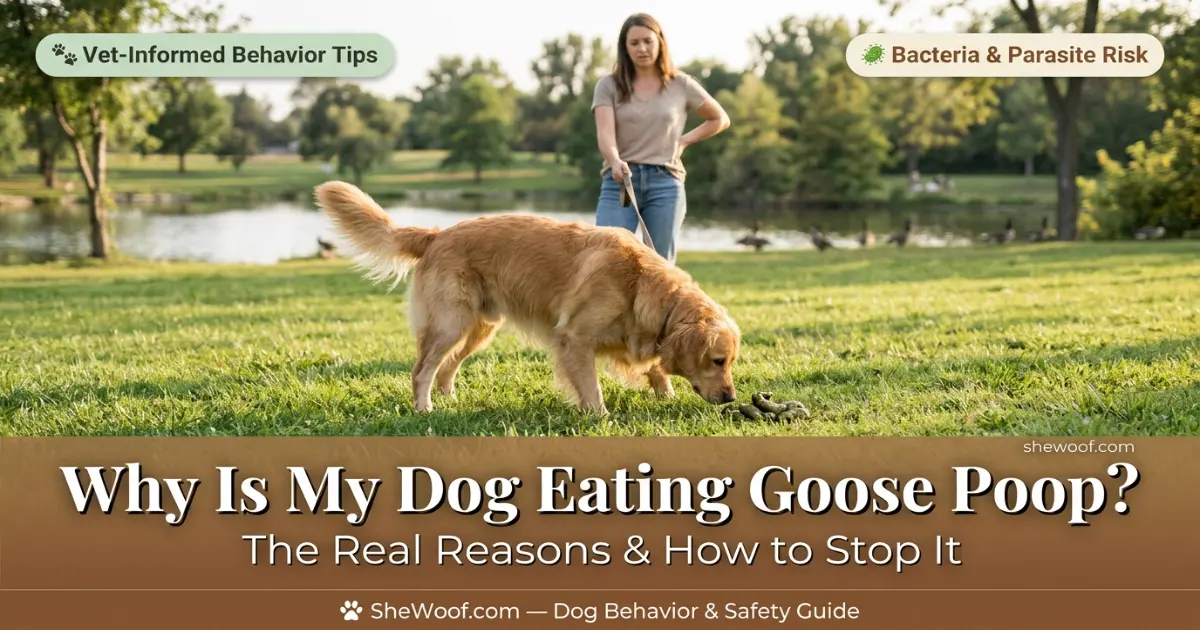
Why Does My Dog Eat Goose Poop?
Dogs eat goose droppings for several overlapping reasons, and the explanation is usually a combination rather than a single cause. Coprophagia — the technical term for eating feces — is a normal behavior in some contexts and a problematic habit in others .
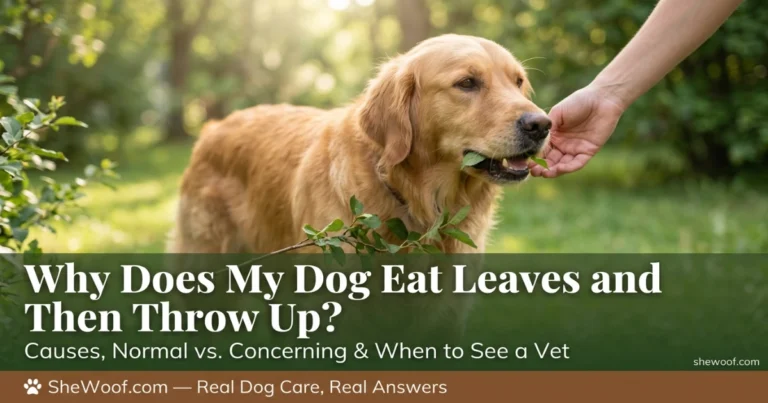
Instinctual scavenging is the foundation. Dogs are descended from opportunistic scavengers who survived by eating whatever they could find. In the wild, consuming feces helped keep dens clean and removed evidence that could attract predators . That instinct is still wired into many dogs, even ones who have never missed a meal.
Taste and smell play a surprisingly large role. Goose droppings are composed largely of partially digested grass and plant matter. To a dog, that scent profile can be genuinely appealing — earthy, organic, and rich in information about what the goose ate . Dogs have far fewer taste buds than humans, so their perception of what tastes “good” is very different from ours .
Nutritional factors may contribute in some cases. If a dog’s diet is poorly digested or lacks certain nutrients, they may seek out alternative sources of nutrition, including feces . This is less common than most owners assume, but it is worth ruling out with a vet if the behavior is new or obsessive.
Boredom, stress, or attention-seeking can also drive the behavior. A dog who is under-stimulated may eat goose poop because it is something to do. A dog who has learned that eating poop gets a big reaction from their owner — even a negative one — may repeat the behavior for attention .
Is Eating Goose Poop Dangerous for Dogs?
The good news is that goose droppings are rarely immediately toxic to dogs. Unlike some chemicals or poisonous plants, there is no single toxin in goose poop that causes acute poisoning. The risks are bacterial and parasitic, and they are real but manageable.
Bacterial contamination is the primary concern. Canada geese can carry a range of harmful bacteria in their droppings, including Salmonella, E. coli, and Campylobacter . These bacteria can cause gastrointestinal illness in dogs, leading to vomiting, diarrhea, and dehydration . A study of E. coli in goose feces found multidrug-resistant and extended-spectrum beta-lactamase (ESBL)-resistant strains, which means some of these infections may be difficult to treat with common antibiotics .
Parasitic infections are the other major risk. Geese can carry Giardia and Cryptosporidium, both of which cause severe gastrointestinal symptoms in dogs . Research has found Giardia in approximately 15% of Canada geese tested, and Cryptosporidium in about 10% . These parasites have an incubation period that can range from five days to three weeks, meaning symptoms may not appear immediately after ingestion .
The good news is that some parasites are species-specific. One veterinary source notes that the intestinal parasites found in goose and rabbit droppings typically do not affect dogs . However, the bacterial risks remain, and the parasites that do cross species — like Giardia — are serious enough to warrant caution.
What Are the Symptoms of Illness From Goose Poop?
If your dog has eaten goose droppings, watch for these signs over the following days and weeks. Symptoms can appear as soon as five days after exposure or as long as three weeks later, depending on the specific pathogen .
- Vomiting, especially repeated episodes
- Diarrhea, which may be watery or contain mucus
- Loss of appetite
- Lethargy or unusual tiredness
- Abdominal pain or discomfort (whining when touched)
- Dehydration (dry gums, skin tenting)
- Blood in stool (in severe cases)
- Weight loss (if the infection becomes chronic)
If you notice any of these symptoms, contact your veterinarian. They can perform a fecal test to identify parasites and recommend appropriate treatment. Do not attempt to treat suspected infections with over-the-counter products without veterinary guidance.
How Do You Stop a Dog From Eating Goose Poop?
Stopping the behavior requires a combination of training, management, and sometimes environmental changes. There is no single fix that works for every dog, but the most effective approaches share a common thread: making the behavior impossible or unrewarding.
Step-by-Step Strategy to Stop Goose Poop Eating
- Teach a rock-solid “leave it” command. This is the single most valuable skill you can develop. Start at home with low-value treats on the floor. Walk your dog past, say “leave it,” and reward with something better when they ignore the treat. Practice in short sessions multiple times per day. Gradually increase difficulty by using higher-value items and moving outdoors .
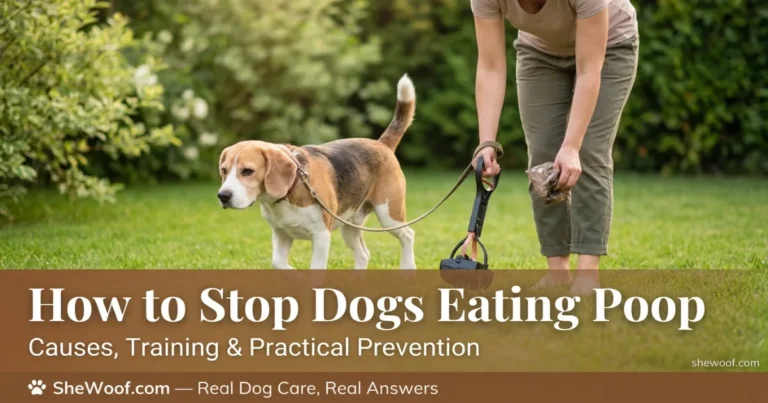
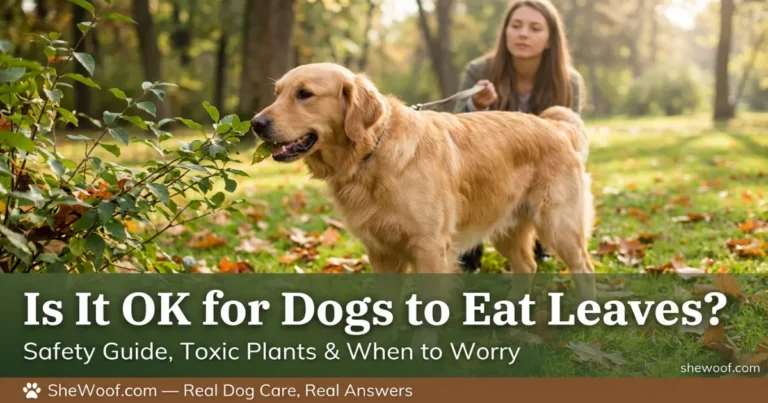
- Manage access on walks. Keep your dog on a leash and steer clear of areas where geese congregate. If you know a particular park or path is covered in droppings, avoid it until you have better training control. A 6-foot leash gives you time to intervene before your dog reaches the poop.
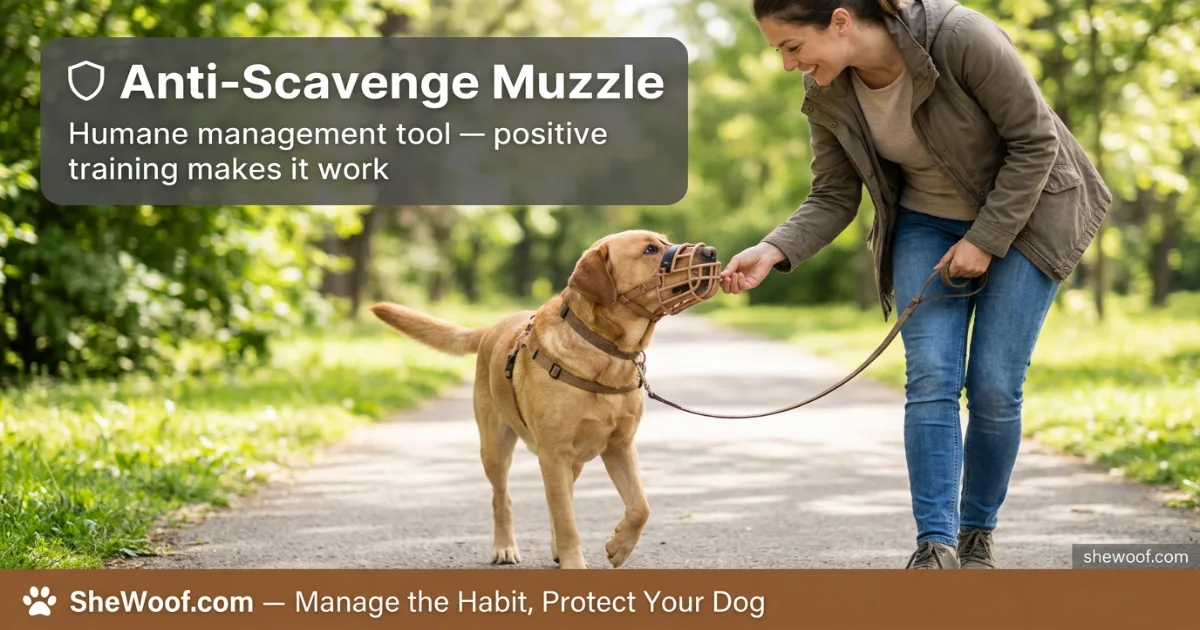
- Use a muzzle with an anti-scavenge guard if needed. For determined poop-eaters, a basket muzzle with an anti-scavenge guard provides a physical barrier that prevents access to small items on the ground. Brands like Baskerville offer models specifically designed for this purpose. Proper muzzle training takes time, but it is a reliable management tool .
- Increase mental and physical exercise. A bored dog is more likely to scavenge. Add sniff walks, puzzle feeders, and training games to your daily routine to reduce the boredom that may be driving the behavior .
- Address any dietary gaps. Talk to your vet about whether your dog’s food is providing complete nutrition and whether a digestive enzyme supplement might help. If your dog is not absorbing nutrients properly, they may seek them out in feces .
- Reward the behavior you want. Every time your dog ignores goose poop and looks at you instead, reward that choice. Over time, checking in with you becomes more valuable than scavenging.
- Carry high-value treats on every walk to reward “leave it” and check-ins.
- Scan the path ahead for droppings and change direction before your dog notices.
- Practice “leave it” in low-distraction environments before testing it around actual geese.
- Do not yell or chase when your dog grabs poop — this can turn it into a game.
- If your dog is a confirmed scavenger, consider a muzzle with an anti-scavenge guard for high-risk areas.
- Wash your dog’s paws and muzzle after walks in areas with heavy goose traffic.
What About Other Animal Droppings?
Geese are not the only wildlife leaving tempting piles on your walking routes. Dogs may also eat the droppings of rabbits, deer, horses, and other animals. The risks vary by species.
| Animal | Parasite Risk to Dogs | Bacteria Risk | Notes |
|---|---|---|---|
| Geese | Moderate (Giardia, Cryptosporidium) | High (Salmonella, E. coli, Campylobacter) | Avoid during avian flu outbreaks |
| Rabbits | Low (parasites are species-specific) | Low | Usually not harmful, but unappealing |
| Deer | Low to Moderate | Low | May carry parasites in some regions |
| Horses | Low (parasites are species-specific) | Low | Generally not a health concern |
| Other dogs | High | Moderate to High | Can transmit intestinal worms and bacteria |
One veterinary source notes that goose and rabbit droppings carry intestinal parasites that do not affect dogs, which is reassuring . However, the bacterial risks from goose droppings remain significant enough to warrant prevention.
When Should You Call a Vet?
Most dogs who eat a small amount of goose poop will not get sick. But there are situations where veterinary attention is warranted.
If you live in an area with active avian influenza outbreaks, be especially vigilant. Dogs can be infected with H5N1 through contact with infected bird droppings, though cases are rare . Symptoms include respiratory distress, fever, and lethargy. Contact your vet immediately if your dog shows these signs after potential exposure .
What Realistic Expectations Look Like
Stopping a determined poop-eater takes time and consistency. You will likely have setbacks — moments when your dog grabs a mouthful before you can react. That is normal. The goal is not perfection on day one; it is steady improvement over weeks and months.
With consistent “leave it” training, most dogs develop enough impulse control to ignore goose droppings on cue. Some dogs, especially those with strong scavenging instincts or a long history of the habit, may always need management tools like leashes and muzzles in high-risk areas. That is not a failure. It is responsible ownership.
What is unrealistic is expecting a dog to never want to eat goose poop again. The smell and taste are genuinely appealing to them. Your job is not to change what they want. It is to teach them that ignoring it leads to something better.
- Dogs eat goose poop because it smells and tastes appealing, tapping into natural scavenging instincts.
- Goose droppings can carry harmful bacteria like Salmonella and E. coli, as well as parasites like Giardia.
- Symptoms of illness can appear 5 days to 3 weeks after ingestion, so watch for vomiting, diarrhea, and lethargy.
- The most effective solution is teaching a solid “leave it” command and managing access to areas with geese.
- For determined scavengers, a muzzle with an anti-scavenge guard is a reliable management tool.
- See a vet if your dog shows signs of illness after eating goose poop, especially if symptoms last more than 24 hours.
Frequently Asked Questions
Why is my dog eating goose poop?
Dogs eat goose poop for several reasons: the scent and taste are appealing to them, it taps into natural scavenging instincts, and in some cases it may be driven by boredom or nutritional gaps. Coprophagia is the technical term for eating feces, and it is a common behavior in dogs.
Is goose poop toxic to dogs?
Goose poop is not acutely toxic, but it can carry harmful bacteria like Salmonella, E. coli, and Campylobacter, as well as parasites like Giardia and Cryptosporidium. These can cause gastrointestinal illness in dogs. The risk is real but usually manageable with prompt veterinary care if symptoms appear.
Can my dog get worms from eating goose poop?
The specific intestinal worms found in geese are typically species-specific and do not infect dogs. However, goose droppings can carry other parasites like Giardia that do affect dogs. Regular deworming and fecal testing as recommended by your vet are good preventive measures.
How do I stop my dog from eating goose poop?
Teach a solid “leave it” command using positive reinforcement, manage access by keeping your dog on a leash and avoiding areas with heavy goose traffic, and consider a muzzle with an anti-scavenge guard for determined poop-eaters. Consistency is key.
What are the symptoms of illness from eating goose poop?
Symptoms include vomiting, diarrhea, loss of appetite, lethargy, and abdominal pain. They can appear anywhere from five days to three weeks after ingestion, depending on the specific bacteria or parasite involved. Contact your vet if symptoms persist for more than 24 hours.
Can dogs get bird flu from eating goose poop?
Dogs can be infected with avian influenza (H5N1) through contact with infected bird droppings, though cases are rare. If you live in an area with active avian flu outbreaks, keep your dog away from goose droppings and contact your vet if your dog shows respiratory symptoms or lethargy after exposure.
Should I use a muzzle to stop my dog from eating goose poop?
A basket muzzle with an anti-scavenge guard is an effective management tool for determined scavengers. It creates a physical barrier that prevents access to small items on the ground. Proper muzzle training is essential — the muzzle should be introduced positively so your dog accepts it calmly.
Is it normal for puppies to eat goose poop?
Yes, puppies are especially prone to eating feces as part of exploratory behavior and teething. Puppies often outgrow the habit as they mature, but training a “leave it” command early helps prevent it from becoming a lifelong issue.