
Does My Dog Need a Sweater? Breed, Coat & Weather Guide
Quick Answer: Not every dog needs a sweater. Small breeds, short-haired dogs, senior dogs, and puppies are most likely to benefit from extra warmth. Large, thick-coated breeds like Huskies and Malamutes usually do not need sweaters and can overheat in them. The best way to decide is to watch your dog’s behavior — shivering, lifting paws, or reluctance to go outside are signs they are cold. When in doubt, choose a lightweight, well-fitted sweater for outdoor walks in cold weather and remove it indoors.
Winter is coming. You pull out your warm coat, boots, and scarf. Then you look at your dog and wonder: does my dog need a sweater? It is a fair question. Some dogs look adorable in sweaters. But cuteness is not the same as necessity. Some dogs genuinely need extra warmth in cold weather. Others are perfectly fine without it. And for some, a sweater can actually cause overheating.
The answer depends on your dog’s breed, coat type, size, age, health, and the weather itself. This guide helps you figure out exactly what your dog needs — so you can keep them comfortable, safe, and stylish (if you want) during cold weather.
What Determines If a Dog Needs a Sweater?
A dog’s ability to handle cold weather depends on several factors. The most important is coat type. Dogs with double coats — like Huskies, Malamutes, and German Shepherds — have a dense undercoat that traps warm air and protects them from cold. They were bred for cold climates. A sweater is unnecessary for these breeds and can cause overheating.
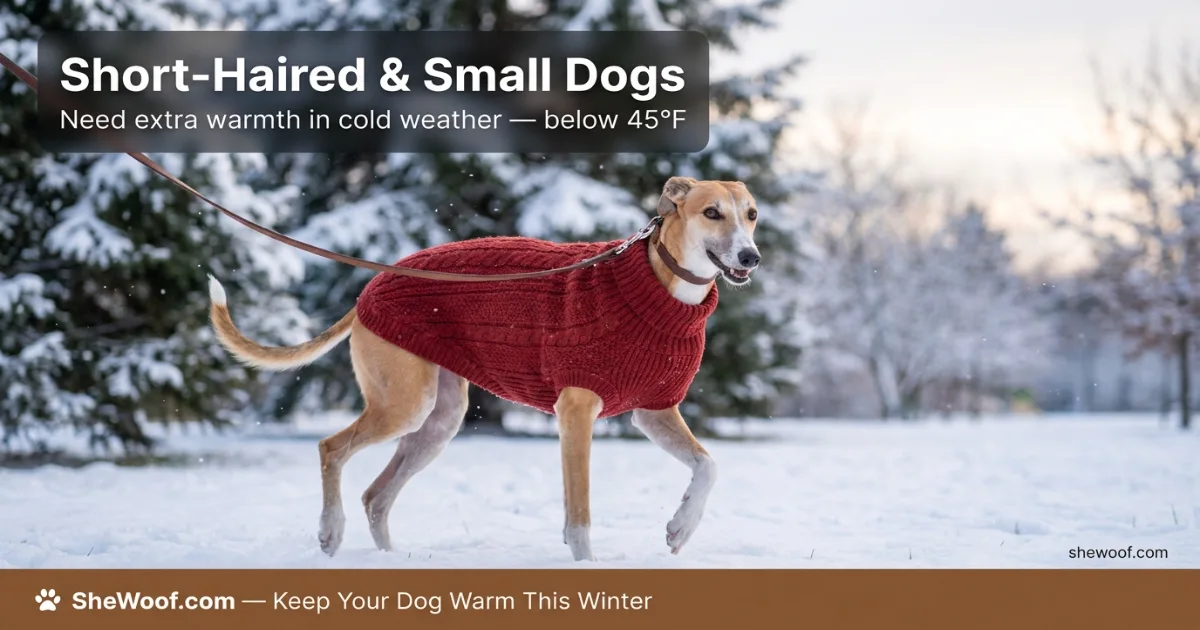
Single-coated breeds — like Greyhounds, Dalmatians, and Chihuahuas — lack that insulating undercoat. Their thin fur offers little protection against cold. These dogs feel the cold quickly and often need a sweater when temperatures drop. Small breeds are also more vulnerable because they have a higher surface-area-to-volume ratio, meaning they lose body heat faster than larger dogs.
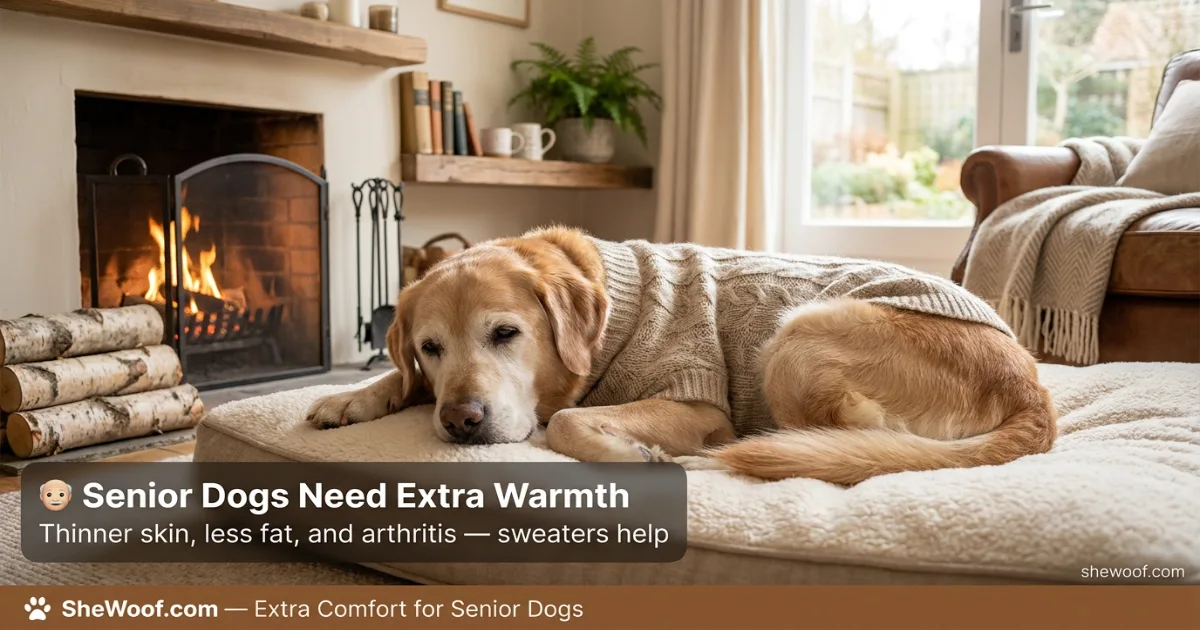
Age and health also matter. Puppies cannot regulate their body temperature as well as adult dogs. Senior dogs often have thinner skin, less body fat, and conditions like arthritis that make cold weather uncomfortable. Sick or underweight dogs also benefit from extra warmth.

Why This Matters for Dog Owners
Dressing your dog in a sweater is not just about fashion — it is about comfort and safety. A dog that is too cold can suffer from hypothermia or frostbite, especially on their ears, paws, and tail. A dog that is too warm can overheat, which is dangerous even in cold weather.
There is also the practical side. A comfortable dog is a happy dog. If your dog is cold, they may resist going outside for walks, which affects their exercise and mental stimulation. A simple sweater can make winter walks enjoyable for both of you.
However, it is also important not to overdo it. Many owners dress their dogs in sweaters unnecessarily, thinking they are helping when they are actually causing discomfort. Knowing when to dress your dog — and when not to — is the key to responsible ownership.
What Most Owners Get Wrong About Dog Sweaters
The most common mistake is assuming that all dogs need sweaters in cold weather. Many dogs — especially double-coated breeds — are well-equipped to handle cold without help. In fact, putting a sweater on a Husky or a Malamute can cause them to overheat, even in freezing temperatures.
Another error is leaving a sweater on indoors. Dogs can overheat inside a warm house, especially if the heating is on. A sweater is meant for outdoor use during walks. It should be removed when your dog comes back inside.
Some owners also choose sweaters that do not fit properly. A sweater that is too tight can restrict movement and breathing. A sweater that is too loose can slip, trip your dog, or get caught on objects. Always measure your dog before buying a sweater and check the fit carefully.
Which Dog Breeds Need Sweaters?
Not all breeds are the same when it comes to cold tolerance. Here is a breakdown:
| Breed Type | Need a Sweater? | Examples | Reason |
|---|---|---|---|
| Short-haired / Single-coated | ✅ Yes | Chihuahua, Greyhound, Dalmatian, Doberman, Weimaraner | No insulating undercoat — lose heat quickly |
| Toy / Small breeds | ✅ Yes | Yorkie, Pomeranian, Maltese, Shih Tzu | Small body size — lose heat faster |
| Double-coated / Cold-weather breeds | ❌ No | Husky, Malamute, Bernese, Samoyed, Shepherd | Dense undercoat — bred for cold climates |
| Medium-coated | ⚠️ Maybe | Labrador, Golden Retriever, Boxer | Depends on weather and individual dog |
| Brachycephalic breeds | ⚠️ Maybe | Bulldog, Pug, French Bulldog | Flat faces — can overheat easily, use with caution |
| Senior dogs | ✅ Yes | Any breed, older age | Thinner skin, less fat, arthritis — need extra warmth |
| Puppies | ✅ Yes | Any breed under 6 months | Cannot regulate body temperature well |
Puppies, Adults, and Seniors — How Age Affects Cold Tolerance
Puppies have developing bodies and cannot regulate their temperature as effectively as adult dogs. Their smaller size also means they lose heat faster. If you have a puppy, err on the side of warmth. A lightweight sweater for outdoor walks in chilly weather is a good idea, even for breeds that might not need one as adults.
Adult dogs with healthy coats and ideal body weight are the most cold-tolerant. But even healthy adults can benefit from a sweater in extreme cold, especially if they are short-haired or small. Watch your dog’s behavior and let that guide you.
Senior dogs are more vulnerable to cold. They often have thinner skin, less body fat, and conditions like arthritis that worsen in cold weather. A sweater can make a significant difference in their comfort level. Look for sweaters that are easy to put on and take off — seniors may have mobility issues that make dressing challenging.
How to Tell If Your Dog Is Cold
Your dog cannot tell you they are cold. But they can show you. Watch for these signs:
- Shivering or trembling — the most obvious sign of cold
- Lifting paws — indicates cold ground or discomfort
- Tucking tail between legs — a sign of discomfort
- Whining or barking — vocalizing distress
- Reluctance to go outside — or wanting to come back in immediately
- Seeking warmth — curling up near heaters, fireplaces, or on warm surfaces
- Ears and paws feeling cold to the touch — this means they are losing heat
If you see these signs, your dog is cold. A sweater can help. If your dog is not showing these signs, they are likely comfortable without one.
Step-by-Step: How to Introduce a Sweater to Your Dog
- Choose the right size. Measure your dog’s chest, neck, and back length. Check the sizing chart for the brand.
- Let your dog sniff the sweater. Allow them to explore it before putting it on.
- Put it on gently. Start with the head, then the legs. Be patient — some dogs are not used to wearing clothes.
- Check the fit. You should be able to fit two fingers between the sweater and your dog’s body. It should not be tight or restrictive.
- Let your dog wear it for a few minutes indoors. Watch for signs of discomfort or overheating.
- If your dog is comfortable, take them outside. Start with short walks and monitor their behavior.
- Remove the sweater indoors. Do not leave it on in a warm house.
Dog sweaters range from $10 to $50 depending on the brand, material, and style. Basic fleece sweaters cost $10 to $20. High-quality wool or designer sweaters cost $25 to $50+. Waterproof or weather-resistant coats (for snowy or rainy weather) cost $20 to $60. It is worth spending a little more for a well-fitted sweater that lasts multiple seasons and keeps your dog comfortable.

Frequently Asked Questions About Dog Sweaters
Only some dogs need sweaters in winter. Short-haired, small, senior, and puppy dogs benefit most. Double-coated breeds like Huskies and Malamutes usually do not need sweaters. Watch your dog’s behavior — shivering, lifting paws, or reluctance to go outside are signs they need extra warmth.
Most dogs are comfortable down to 45°F (7°C). Below 45°F, small, short-haired, senior, and puppy dogs may need a sweater. Below 32°F (0°C), all dogs should have limited outdoor time, and sweaters or coats are recommended for at-risk breeds. Below 20°F (-6°C), keep walks short and watch closely for signs of cold.
No. Huskies, Malamutes, and other double-coated breeds were bred for cold climates and have dense undercoats that insulate them against extreme cold. They do not need sweaters and can overheat if dressed in one. Save the sweater for breeds that actually need it.
Yes. Dogs can overheat in sweaters, especially if left on indoors or in warm weather. Watch for signs of overheating: excessive panting, drooling, red gums, and lethargy. Always remove the sweater when your dog is inside or when temperatures warm up.
A properly fitted sweater should be snug but not tight. You should be able to fit two fingers between the sweater and your dog’s body. It should allow full movement — walking, sitting, and running without restriction. It should not slip, bunch up, or cause rubbing.
No. Sweaters should be for outdoor use only in cold weather. Indoor temperatures are usually warm enough for dogs, and leaving a sweater on can cause overheating. Remove the sweater as soon as you come inside.
Look for breathable, warm materials like fleece, wool blends, or cotton. Avoid materials that trap moisture or cause static. Make sure the sweater is machine-washable and easy to clean. Avoid small buttons, zippers, or decorations that could be chewed off.
- Not all dogs need sweaters. Short-haired, small, senior, and puppy dogs benefit most — double-coated breeds usually do not.
- Watch your dog’s behavior for signs of cold: shivering, lifting paws, or reluctance to go outside.
- Choose a well-fitted sweater that allows full movement and is made of breathable material.
- Remove sweaters indoors and in warm weather to prevent overheating.
- When in doubt, start with a lightweight sweater for short walks and monitor your dog’s comfort.