Best Training Treats for King Charles Cavalier — Top Picks & Practical Tips
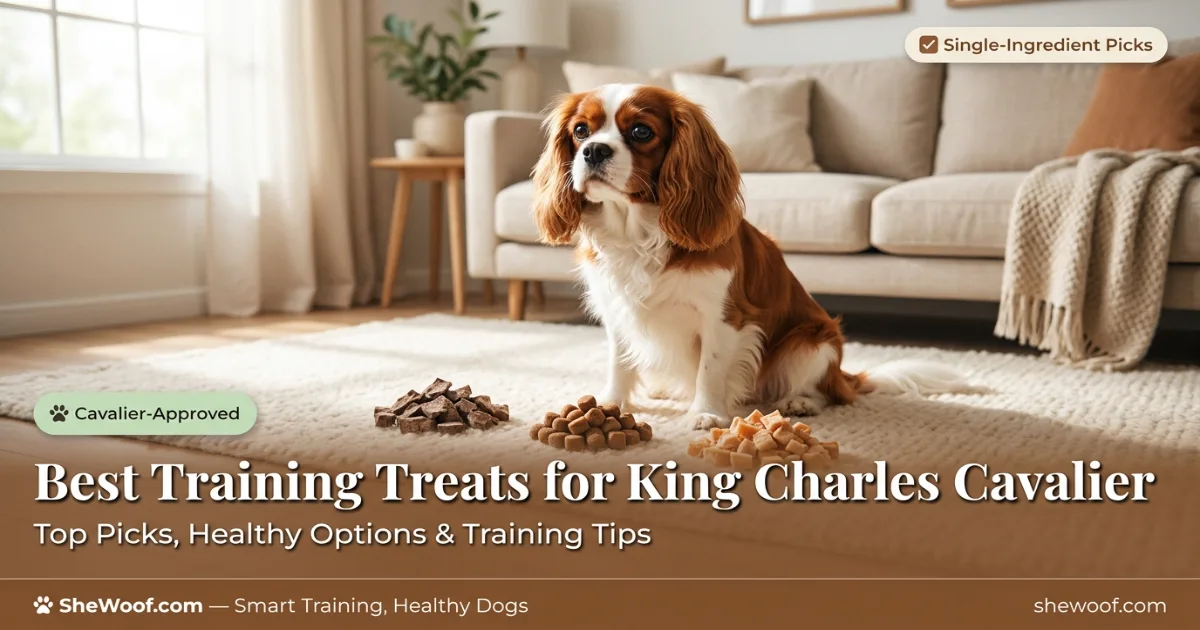
Quick Answer: The best training treats for King Charles Cavalier are small, soft, low-calorie, and highly motivating. Look for treats with 3–5 calories each, made from single-source proteins like chicken, salmon, or liver. Avoid artificial colors, preservatives, and fillers. For Cavaliers, soft treats work best because they are easy to chew, quick to eat, and keep training sessions flowing smoothly. Always adjust your dog’s daily meal portion to account for treat calories — Cavaliers gain weight easily.
You have a King Charles Cavalier — a dog bred to be a companion, a lap warmer, and a devoted shadow. They are eager to please, sensitive to your tone, and highly food-motivated. That last part is your biggest training advantage. But not all treats are created equal. Finding the best training treats for King Charles Cavalier means balancing motivation, health, and portion control. Get it right, and your Cavalier will learn anything you teach. Get it wrong, and you risk weight gain, digestive upset, or a dog who loses interest halfway through a session.
Cavaliers are small dogs with big appetites. They will happily eat whatever you offer. That is why you must be selective. This guide covers exactly what to look for, what to avoid, and which treats actually work for this breed — based on their size, temperament, and nutritional needs.
Why Choosing the Right Treat Matters for Cavaliers
King Charles Cavaliers are not just any small breed. They are brachycephalic — flat-faced — which affects how they eat, chew, and breathe. A hard, crunchy treat that works for a Labrador is not ideal for a Cavalier. They may struggle to bite it cleanly, or worse, they may gulp it down without chewing, increasing the risk of choking.
They are also prone to weight gain. The breed standard calls for a compact, well-balanced body. But Cavaliers love food. They will beg, stare, and use those big round eyes to convince you they are starving. Overfeeding with the wrong treats is one of the fastest ways to tip a Cavalier into obesity. Once overweight, they face increased risk of heart disease, joint problems, and reduced lifespan.
Training treats are not just rewards — they are tools. The right treat keeps your dog focused, reinforces good behavior, and makes training enjoyable for both of you. The wrong treat slows down the session, causes digestive issues, or adds unnecessary calories. For a breed as food-driven as the Cavalier, treat selection is a health decision as much as a training decision.
What Most Owners Get Wrong About Training Treats
The biggest mistake is using treats that are too large. A Cavalier is a small dog with a small stomach. A treat that looks tiny to you can be a significant portion of their daily calorie intake. Many owners use treats meant for medium or large breeds without thinking about the size difference. One large biscuit can contain 20–30 calories — a quarter of a Cavalier’s daily allowance for some individuals.
Another error is choosing treats based on human appeal rather than dog appeal. Owners buy colorful, fancy-looking treats with complex ingredient lists. Cavaliers do not care about colors or shapes. They care about smell and taste. Single-ingredient treats — like freeze-dried liver or chicken — are often more motivating than elaborate baked biscuits.
Some owners also use the same treat for every situation. A low-value treat that works for basic commands in the living room will not hold your Cavalier’s attention when there are squirrels, other dogs, or new people around. You need a hierarchy of treats — low-value for routine, high-value for distractions.
What to Look For in Training Treats for Cavaliers
When you are scanning shelves or reading product descriptions, keep these criteria in mind. The best training treats for King Charles Cavalier share these characteristics:
- Soft and chewy: Easy to bite, quick to swallow, and gentle on a Cavalier’s flat face and soft mouth.
- Small size: Pea-sized or smaller. You want the treat to disappear in one bite, not take five seconds to chew.
- Low calorie: 3 to 5 calories per piece. This allows you to give many treats during a training session without blowing your dog’s daily calorie budget.
- Single-source protein: Chicken, turkey, salmon, or liver. Fewer ingredients mean fewer potential allergens and less digestive upset.
- No artificial additives: Skip treats with artificial colors, flavors, or preservatives. Cavaliers have sensitive stomachs in many cases.
- High motivation value: The treat must smell good to your dog. If they sniff it and lose interest, it is not working.
Top Training Treat Options for Cavaliers
Based on the criteria above, here are the best categories of training treats for King Charles Cavaliers. These are not specific brands — they are types of treats that consistently work well for this breed.
| Treat Type | Why It Works | Calories Per Piece | Best For |
|---|---|---|---|
| Freeze-Dried Liver | Single ingredient, high value, strong smell, crumbles easily | 3–5 | Distraction training, recall, new commands |
| Freeze-Dried Chicken | Pure protein, easy to break into tiny pieces, highly motivating | 4–6 | Everyday training, obedience, focus work |
| Soft Training Bites | Chewy texture, small size, quick to eat, gentle on teeth | 3–5 | Puppy training, sensitive mouths, frequent sessions |
| Salmon or Whitefish | Great for dogs with chicken allergies, strong smell, skin health benefits | 4–5 | Allergy-prone Cavaliers, coat health |
| String Cheese (small pieces) | High value, easy to portion, widely available | 5–10 per inch | Emergency high-value reward, vet visits, grooming |
| Plain Boiled Chicken | Human-grade, single protein, easy to digest | Depends on portion | Sensitive stomachs, special occasions |
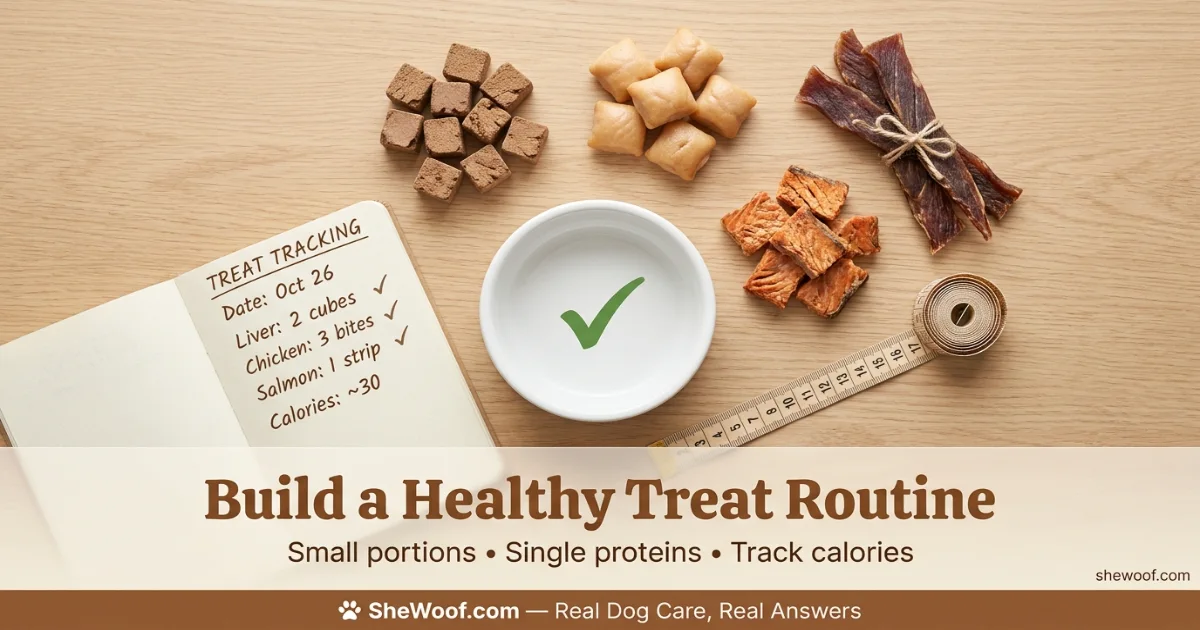
Freeze-dried liver is often the clear winner for Cavaliers. It is lightweight, easy to break into smaller pieces, and has a strong aroma that dogs find irresistible. It is also single-ingredient, which means you know exactly what your dog is eating. Many Cavaliers will work harder for a tiny piece of liver than for any other treat.
If your Cavalier has food allergies or sensitivities, salmon or whitefish treats are excellent alternatives. They provide omega-3 fatty acids, which support skin health and reduce inflammation — both useful for a breed prone to skin issues.
Puppy vs Adult Cavalier Treat Needs
A Cavalier puppy has different needs than an adult. Puppies are growing, burning more calories, and learning the foundations of behavior. They need treats that are small enough for their tiny mouths, soft enough for their developing teeth, and easy to digest. Look for treats specifically labeled for puppies, or break adult treats into even smaller pieces.
Adult Cavaliers have slower metabolisms and are more prone to weight gain. Portion control becomes critical. You may need to reduce the size of the treat or switch to a lower-calorie option. Some owners use their dog’s regular kibble as low-value training treats, reserving the high-value stuff for harder tasks.
Senior Cavaliers may have dental issues, missing teeth, or sensitive gums. Soft treats that require minimal chewing are essential. Freeze-dried treats that can be crumbled or softened with a little water are good options. Always prioritize ease of eating over excitement value for older dogs.
How Many Treats Can You Give Your Cavalier in a Day?
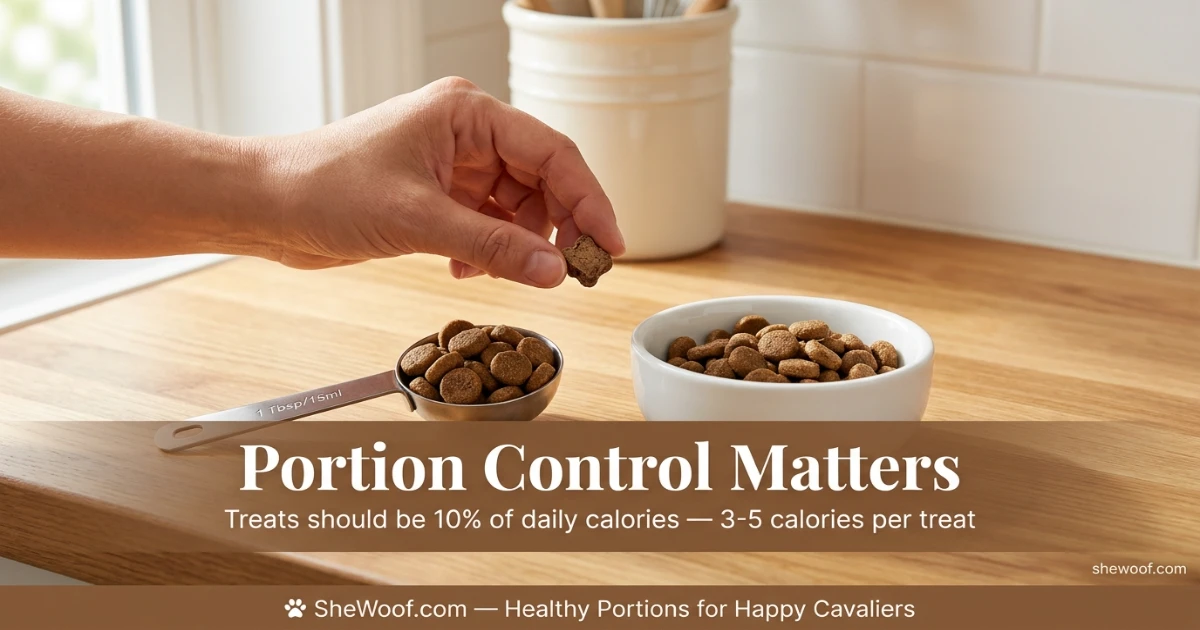
The general rule is that treats should make up no more than 10% of your dog’s daily calorie intake. For a typical adult Cavalier weighing 13–18 pounds, that means roughly 20 to 30 calories per day from treats. If each training treat has 5 calories, you can give 4 to 6 treats per day.
That does not sound like much. But remember — you can break treats into smaller pieces. A single freeze-dried liver piece can be broken into two or three training rewards. A soft training bite can be cut into quarters. This stretches your treat budget and keeps training sessions productive without overfeeding.
If you are doing intensive training — a puppy class, a long walk, or a busy session at home — you may go through more treats. In that case, use even smaller pieces. The goal is to keep the reward frequent, not large.
Training treats for Cavaliers range from $10 to $25 per bag depending on the brand and ingredients. Freeze-dried liver and single-protein treats are usually at the higher end but last longer because you can break them into smaller pieces. Bulk buying can bring the cost down to $8 to $15 per bag. Budget brands with fillers may cost less but are not worth the health trade-off. Spending $15–$20 on a quality bag of freeze-dried treats that lasts 2–3 months is a worthwhile investment in your dog’s training and health.
Common Mistakes to Avoid When Treating Your Cavalier
Using treats as bribery instead of rewards is a subtle but important difference. A treat should come after the behavior, not before. If you show the treat first and then ask for a command, your dog learns to perform only when they see food. The goal is to fade the treat over time, not create a dog who only listens for payment.
Another mistake is giving treats from the table. This creates a begging habit that is hard to break. Training treats should be given during structured training sessions, not as random snacks throughout the day. Random snacks add calories without any training benefit.
Some owners also choose treats that are too crumbly. While freeze-dried treats are great, they can make a mess. If you are training in a car, on a walk, or in a clean home, consider the mess factor. Soft treats that hold together are easier to handle on the go.
Step-by-Step: How to Use Treats Effectively in Training
- Choose the right treat for the situation. Low-value for familiar commands at home. High-value for new skills, distractions, or recall.
- Break treats into pea-sized pieces. Even if the treat is already small, break it into two or three pieces. This extends your session without overfeeding.
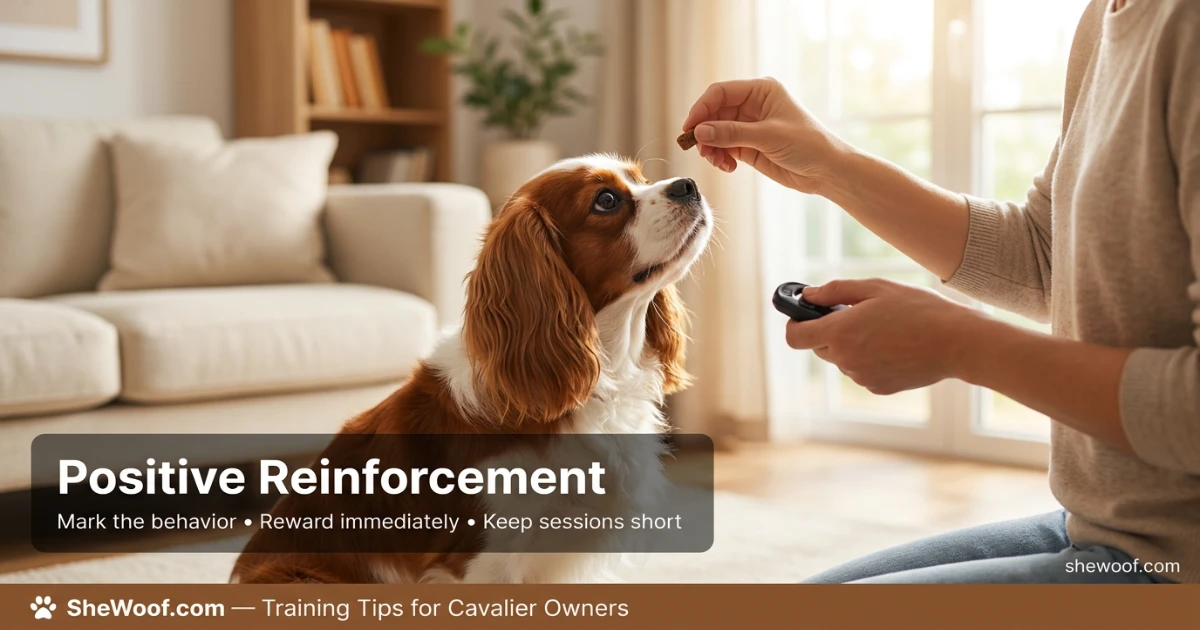
- Mark the behavior with a clicker or a marker word. Say “Yes!” or click the clicker at the exact moment the behavior happens.
- Deliver the treat immediately. Speed matters. The treat should follow the marker within 1–2 seconds so your dog connects the action to the reward.
- Vary treat delivery. Sometimes toss the treat, sometimes hand it directly. This keeps your dog engaged and prevents them from focusing only on your hand.
- Reduce treat frequency over time. Once a behavior is consistent, start rewarding intermittently — every second or third repetition. This builds reliability.
When to Contact a Trainer or Behaviorist
If your Cavalier is not motivated by treats even when you are using high-value options, there may be an underlying issue. Some dogs lose interest in food when stressed, anxious, or unwell. A trainer can help you read your dog’s body language and adjust your approach. A behaviorist may be needed if your dog is anxious or reactive, and food is not enough to hold their attention.
Also, if you notice weight gain despite using small treats, it is time to reassess your treat choices and portion sizes. Your veterinarian can help you calculate your dog’s ideal calorie intake and recommend a feeding plan that includes training treats.
Frequently Asked Questions About Training Treats for Cavaliers
Soft, small, and easy-to-chew treats are best for Cavalier puppies. Look for puppy-specific treats or break adult freeze-dried liver into tiny pieces. Freeze-dried chicken or soft training bites are also excellent for puppies. Keep pieces very small and watch for any digestive upset.
Treats should make up no more than 10% of your dog’s daily calories. For an adult Cavalier, that means about 20–30 calories from treats per day. If each treat has 5 calories, you can give 4–6 pieces. Breaking larger treats into smaller pieces stretches the count without adding extra calories.
Yes, freeze-dried treats are generally safe and highly recommended for Cavaliers. They are single-ingredient, minimally processed, and easy to break into small pieces. Make sure to choose high-quality brands made in countries with strict food safety standards.
Yes, you can use your dog’s regular kibble as a low-value treat during training sessions. This works well for basic commands in a low-distraction environment. Reserve higher-value treats like freeze-dried liver for challenging situations like recall or new skills.
Avoid treats with artificial colors, preservatives, and vague ingredient names like “meat meal” or “animal digest.” Also avoid treats that are hard or crunchy — Cavaliers may struggle to chew them. Never give raisins, grapes, chocolate, or xylitol as treats — they are toxic to dogs.
Give treats only during structured training sessions, not randomly throughout the day. Never give treats from the table. Use a marker word or clicker to make it clear that treats come from training, not begging. If your Cavalier begs, ignore the behavior and reward calmness instead.
Yes, Cavaliers are prone to weight gain, and overfeeding treats is a common cause. Choose low-calorie treats (3–5 calories each), break treats into tiny pieces, and track your dog’s total daily calorie intake. Adjust meal portions to account for treat calories. Regular weigh-ins at home can help you catch weight gain early.
- The best training treats for King Charles Cavalier are soft, small, low-calorie, and single-ingredient — with freeze-dried liver or chicken being top choices.
- Portion control is essential. Treats should make up no more than 10% of daily calories to prevent weight gain.
- Avoid artificial additives, hard textures, and treats with unclear ingredient labels. Cavaliers have sensitive stomachs and soft mouths.
- Use high-value treats for challenging training situations and lower-value treats for routine commands.
- If your Cavalier shows signs of allergies, digestive upset, or weight gain, adjust your treat choices and consult your veterinarian.