Why Do Dogs Sleep With Their Bum Facing You? Meaning & Behavior Explained
Quick Answer: When your dog sleeps with their bum facing you, it is usually a sign of trust, comfort, and instinct. In the wild, dogs sleep facing outward to watch for threats while their pack mates watch their back. By turning their rear toward you, your dog is saying they feel safe with you as their protector. It can also be a way of staying close for warmth and bonding. In most cases, it is a positive behavior — not a sign of disrespect or dislike. Only if your dog suddenly changes their sleeping position along with other symptoms should you consult your veterinarian.
You are lying on the couch. Your dog curls up beside you. And then — they turn. Their rear end is now pointed directly at your face. You wonder: why do dogs sleep with their bum facing you? Is it rude? Is it a sign they do not like you? Or is it something else entirely? It turns out this common behavior has a fascinating explanation rooted in dog instinct, trust, and pack dynamics.
Dogs are not humans. Their social rules are different. What looks like a rude gesture to us is actually a compliment in the dog world. This guide explains the real reasons behind this behavior, what it means for your bond with your dog, and when it might signal something more.
What Does It Mean When a Dog Sleeps With Their Bum Facing You?
In the simplest terms, it means your dog trusts you. Dogs are descended from wolves, and wolves sleep in packs. In the wild, pack members position themselves to protect each other. Some face outward, watching for threats. Others sleep with their backs to the group, trusting their pack mates to watch their most vulnerable side. When your dog sleeps with their bum facing you, they are treating you as a trusted pack member — someone who will watch their back while they rest.
This behavior is deeply instinctual. It has nothing to do with disrespect. In fact, it is the opposite. Your dog is saying: “I feel safe enough with you to turn my back.” For a dog, that is a significant statement of trust.
Beyond instinct, there are practical reasons. Dogs are social animals that sleep in close proximity for warmth and comfort. Sleeping with their bum facing you puts them physically close to your body heat. It also keeps them in contact with you, reinforcing the social bond.

Why Do Dogs Sleep With Their Bum Facing You? The Main Reasons
There are several reasons behind this behavior. Understanding them helps you appreciate what your dog is communicating.
1. Trust and Security
The most common reason is trust. Dogs are vulnerable when they sleep. By turning their back to you, they are trusting you to watch for danger while they rest. This is a deep instinct from their wolf ancestors. In a pack, dogs sleep in a circle, with some facing outward to watch for threats and others facing inward, trusting their pack mates to protect them. When your dog sleeps with their bum facing you, they are treating you as a trusted protector.
2. Pack Mentality and Instinct
Dogs are pack animals. Even domesticated dogs retain the instinct to sleep in groups. Sleeping close to you — even with their bum facing you — satisfies that instinct. It reinforces the social hierarchy and the bond between you. In a multi-dog household, you may notice dogs sleeping in similar positions — backs to each other, or in a circle. This is pack behavior.
3. Warmth and Comfort
Dogs seek warmth. Sleeping next to you provides body heat, especially in colder months. The position may simply be the most comfortable way to stay close while still having space to stretch out. Dogs also enjoy physical contact — the pressure of another body nearby is calming.
4. Bonding and Affection
Physical closeness is a form of bonding for dogs. Sleeping with their bum facing you keeps them in contact with you, reinforcing the social bond. It is a way of saying, “I want to be near you.” Many dogs also sleep this way because it allows them to stay close without being in your face — a comfortable compromise.
What Most Owners Get Wrong About This Behavior
The most common mistake is interpreting this behavior as a sign of disrespect or dislike. It is neither. In the dog world, it is a sign of trust and comfort. Owners who push their dog away or feel offended by the behavior are misreading a positive signal.
Another error is assuming that all dogs sleep this way for the same reason. Some dogs do it for warmth, some for trust, some out of habit. The behavior can also vary by mood, weather, and the dog’s energy level. A dog who usually sleeps facing you might turn around on a cold night to get closer to your body heat.
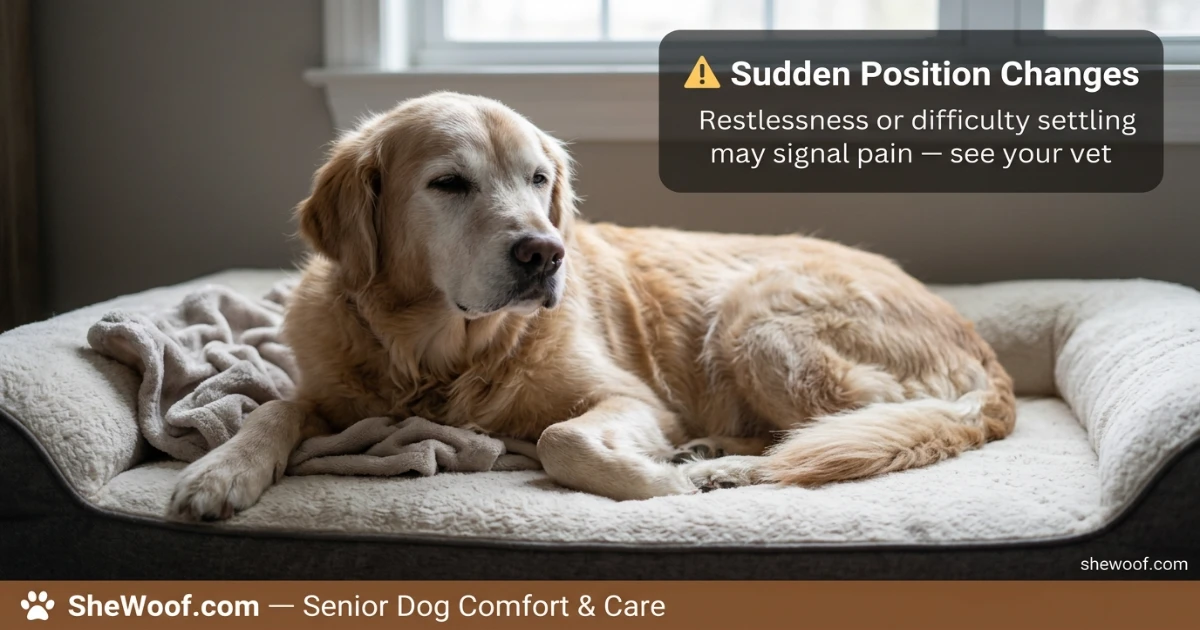
Some owners also confuse this behavior with a medical issue. If your dog suddenly changes their sleeping position and shows other symptoms — restlessness, panting, whining, or difficulty settling — it could indicate pain or discomfort. In that case, consult your veterinarian.
How Puppies, Adults, and Seniors Differ
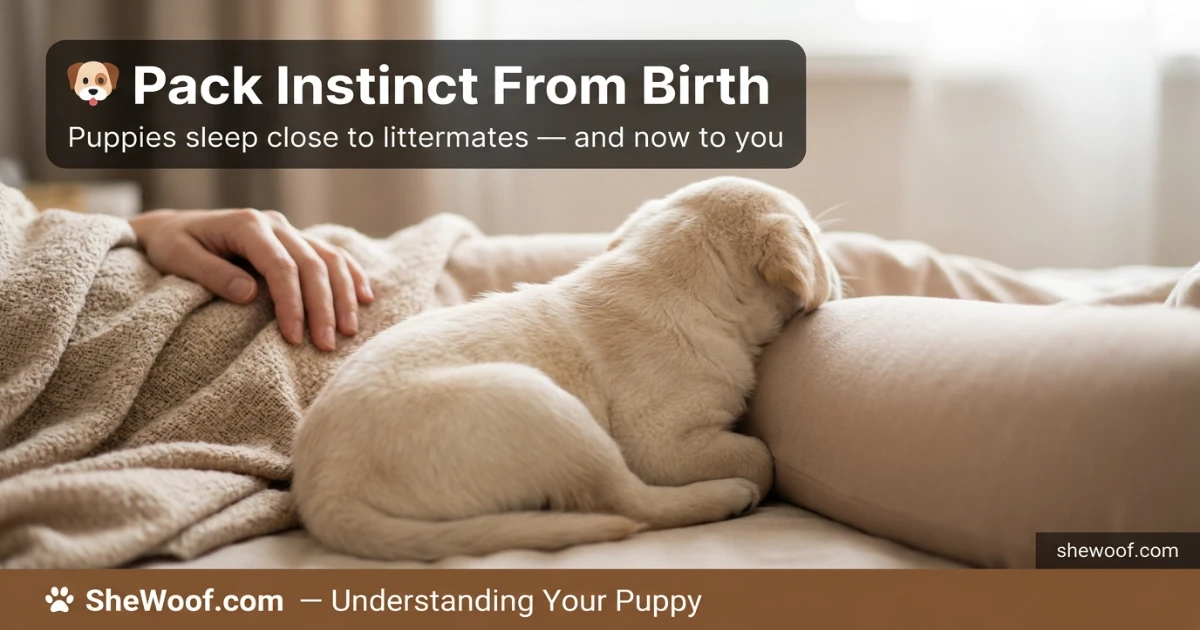
Puppies often sleep in a pile with their littermates, and they carry that instinct into their new home. A puppy sleeping with their bum facing you is simply continuing the pack behavior they learned from their mother and siblings. As they grow, they may continue the habit or change positions depending on their comfort and the environment.
Adult dogs have established sleeping preferences. Some always sleep with their bum facing their owner. Others prefer to face their owner. Both are normal. The position often depends on the dog’s personality, the temperature, and the sleeping arrangement.
Senior dogs may change their sleeping position due to age-related issues. Arthritis, joint pain, or reduced mobility can make certain positions uncomfortable. If your senior dog suddenly changes their sleeping position or seems restless at night, consult your veterinarian. Pain management or orthopedic bedding may help.
| Life Stage | Common Behavior | What It Means |
|---|---|---|
| Puppy (under 1 year) | Sleeps in a pile, bum facing owner | Pack instinct from littermates — feels safe |
| Adult (1-7 years) | Consistent sleeping position | Trust, comfort, or habit |
| Senior (7+ years) | May change position frequently | Could indicate joint pain or discomfort — watch closely |
| Anxious dogs | May sleep facing owner or pressed against them | Seeking reassurance — could indicate anxiety |
Step-by-Step: How to Encourage Healthy Sleeping Habits
- Provide a comfortable sleeping area. A soft bed, crate, or designated spot helps your dog feel secure.
- Respect your dog’s sleep. Do not disturb them while they are resting. Sleep is essential for their health and behavior.
- Watch for changes. Sudden changes in sleeping position or habits can indicate discomfort or illness.
- Keep a consistent routine. Regular bedtimes and wake times help your dog feel secure.
- Consult your vet if concerned. If your dog shows signs of pain or restlessness, get a professional evaluation.
When to See the Vet
Sleeping with their bum facing you is normal. But some changes in sleeping behavior can indicate a problem. Contact your veterinarian if your dog shows any of these signs:
- Sudden change in sleeping position along with restlessness or difficulty settling.
- Reluctance to lie down or get up.
- Whining, panting, or crying at night.
- Pacing or circling before lying down.
- Changes in appetite or energy along with sleep changes.
- Signs of pain — limping, stiffness, or sensitivity to touch.
These can signal arthritis, injury, or another medical condition. Do not wait if symptoms persist or worsen.
What Does Your Dog’s Sleeping Position Say About Their Trust?
Sleeping position is a window into your dog’s emotional state. A dog who sleeps with their back to you is trusting you to protect them. A dog who sleeps facing you may be watching over you. A dog who curls up tightly may be cold or anxious. A dog who sprawls out may feel completely relaxed and safe.
There is no “better” or “worse” position. Each one communicates something about how your dog feels in that moment. The more relaxed and confident your dog feels, the more likely they are to sleep in vulnerable positions — like with their back to you or with their belly exposed.
Frequently Asked Questions About Dogs Sleeping With Their Bum Facing You
It is a sign of trust and comfort. In the wild, dogs sleep in packs to protect each other. By turning their back to you, your dog is treating you as a trusted protector — someone who will watch their back while they rest. It is a compliment, not an insult.
No. In the dog world, turning their back is not rude — it is a sign of trust. Dogs only turn their back on people they feel safe with. It is a compliment.
No, it means the opposite. Your dog feels safe and comfortable with you. If they did not like you, they would not sleep close to you at all. Sleeping with their bum facing you is a sign of deep trust.
Sudden changes in sleeping position can be normal — especially if the weather changed or your dog is tired. But if the change is accompanied by restlessness, panting, whining, or difficulty settling, it could indicate pain or discomfort. Consult your vet.
No. Pushing your dog away can hurt their feelings and damage your bond. If the position bothers you physically, gently adjust your dog’s position or move slightly. Do not scold or push them away.
Yes, in a way. In a pack, some dogs watch for danger while others rest. By turning their back to you, your dog is trusting you to watch for danger while they sleep. It is a form of protection — you are protecting them.
Yes, it is completely normal. It is one of the most common sleeping positions for dogs who share a bed or couch with their owners. It is a sign of trust, comfort, and pack bonding.
- When your dog sleeps with their bum facing you, it is a sign of trust, comfort, and pack instinct — not disrespect.
- In the wild, dogs sleep in packs and take turns watching for danger. Your dog is treating you as a trusted protector.
- Other reasons include warmth, bonding, and physical closeness. It is a positive behavior in almost all cases.
- Sudden changes in sleeping position — especially with restlessness or pain — can indicate a health issue. Consult your vet.
- Do not push your dog away or scold them. It damages trust and misunderstands a natural, affectionate behavior.