Dog Throwing Up Liquid and Foam? Causes, What to Do & When to Worry
Quick Answer: If your dog is throwing up liquid and foam, it often indicates an empty stomach or bile reflux — especially if it happens in the morning. White foam is usually stomach acid mixed with saliva and mucus. Yellow foam indicates bile from the small intestine. A single episode of foamy vomit is rarely concerning. But if your dog vomits multiple times, shows lethargy, has diarrhea, or refuses to eat, it could be a sign of a more serious condition like gastroenteritis, pancreatitis, or an obstruction. Monitor closely and call your vet if symptoms persist or worsen.
You hear your dog retching in the corner. You rush over and see a puddle of liquid and foam. Your heart sinks. You wonder: is this serious? Should I call the vet? You are not alone. A dog throwing up liquid and foam is one of the most common concerns owners bring to their veterinarian. It looks alarming, but it is not always an emergency. Understanding what causes it — and what to do — can save you stress and help your dog get the right care.
The foam you see is usually a mix of stomach acid, saliva, and mucus. It can be white, clear, or yellowish. White foam often means an empty stomach. Yellow foam means bile is present. The color and timing of the vomiting give you important clues about what is happening inside your dog’s body. This guide helps you read those clues and make the right decisions.
What Causes a Dog to Throw Up Liquid and Foam?
The most common cause of foamy vomit is an empty stomach. When a dog goes too long without eating, stomach acid builds up and irritates the stomach lining. The body responds by producing more mucus and saliva to protect the stomach. The result is a vomit that looks like white or yellow foam. This condition is often called bilious vomiting syndrome.
Bilious vomiting syndrome is especially common in dogs that eat once a day or have long gaps between meals. It often happens in the early morning before breakfast. The dog may vomit a small amount of yellow or white foam, then act completely normal afterward. If this sounds familiar, your dog may simply need smaller, more frequent meals.
Other causes include dietary indiscretion — eating something they should not have. Grass, garbage, or unfamiliar foods can irritate the stomach and cause foamy vomit. More serious causes include gastroenteritis, pancreatitis, kidney disease, liver disease, and intestinal obstructions.

Why This Matters for Dog Owners
Vomiting is one of the most common signs of illness in dogs. But not all vomiting is serious. Learning to distinguish between harmless foamy vomit and dangerous signs helps you act appropriately. You save money on unnecessary vet visits — and you do not miss a real emergency when it happens.
There is also the comfort factor. A dog that vomits foam in the morning and then acts fine is likely fine. A dog that vomits multiple times, stops eating, or becomes lethargic is not. Knowing the difference gives you peace of mind and helps you respond with confidence.
For dogs with bilious vomiting syndrome, the fix is simple — more frequent meals. For dogs with underlying conditions, early intervention is key. Recognizing the signs early can prevent complications and get your dog the help they need sooner.
What Most Owners Get Wrong About Foamy Vomit
The biggest mistake is panicking over a single episode of foamy vomit. One episode — especially in the morning — is often harmless and resolves on its own. Owners rush to the vet for a single foam puddle, spending money and stress on something that could have been managed at home.
Another error is assuming that all foamy vomit is the same. White foam is different from yellow foam, which is different from red or brown foam. Each color points to a different issue. Not paying attention to the color can lead to underestimating or overestimating the seriousness.
Some owners also ignore other symptoms. A single vomit with foam is usually fine. But if the dog is also lethargic, has diarrhea, or refuses food, it is not fine. The combination of symptoms matters more than the vomit alone.
How Puppies, Adults, and Seniors Differ
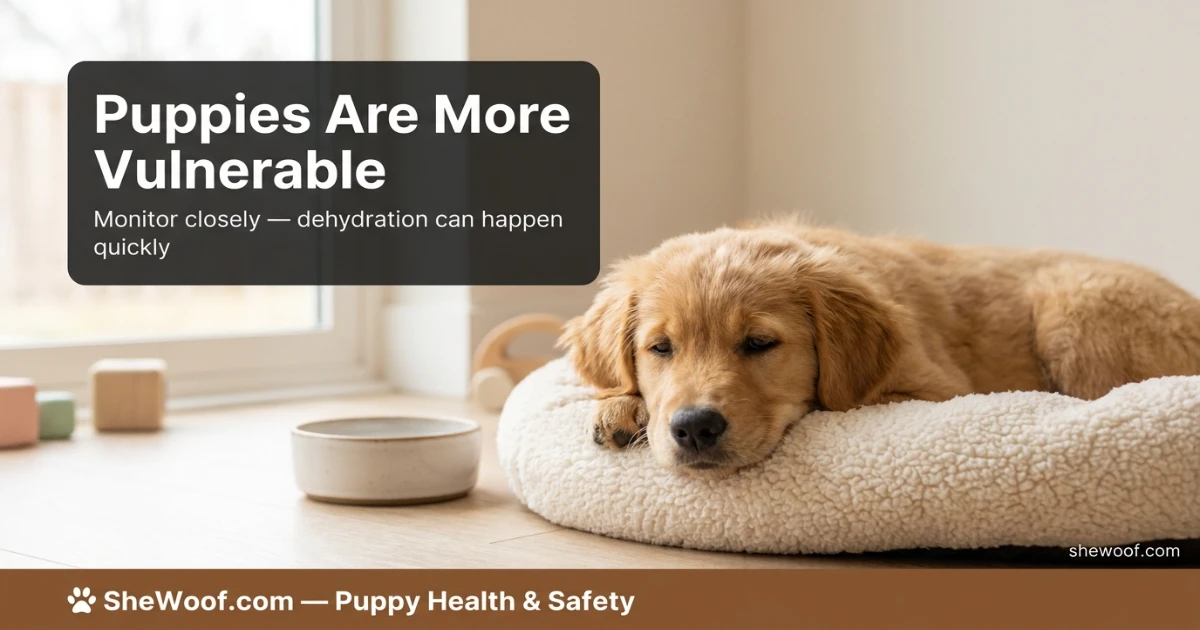
Puppies are more vulnerable to dehydration from vomiting. They also have sensitive stomachs and are more likely to eat things they should not. If a puppy throws up foam, watch them closely. A single episode is usually fine, but puppies can deteriorate quickly if vomiting continues.
Adult dogs with no health issues can often handle a single episode of foamy vomit without problems. If your adult dog vomits foam and then acts normal, it is safe to monitor at home. Offer small amounts of water and wait.
Senior dogs are more fragile. Vomiting can lead to dehydration and electrolyte imbalances more quickly in older dogs. If a senior dog throws up foam — especially more than once — it is worth a vet visit. They may have underlying conditions that make vomiting more dangerous.
| Life Stage | Risk Level | What to Watch For |
|---|---|---|
| Puppy (under 1 year) | High | Dehydration, eating non-food items, parvovirus risk |
| Adult (1-7 years) | Low to moderate | Single episode usually fine; multiple episodes need attention |
| Senior (7+ years) | High | Underlying conditions, slower recovery, dehydration risk |
| Brachycephalic breeds | Moderate | May have reflux issues, smaller airways, vomiting can be more stressful |
Step-by-Step: What to Do When Your Dog Throws Up Foam
- Check the color and frequency. White foam? Single episode? Likely harmless. Yellow foam? May be bile. Multiple episodes? Red flag.
- Withhold food for 4–6 hours. This allows the stomach to settle. Do not withhold water — offer small amounts frequently.
- Offer a bland diet. After fasting, offer plain boiled chicken (no skin, no seasoning) and white rice in small portions.
- Monitor for other symptoms. Watch for lethargy, diarrhea, pain, refusal to eat, or blood in vomit or stool.
- If vomiting stops, gradually transition back to regular food over 1–2 days.
- If vomiting continues or other symptoms appear, call your veterinarian.
When to See the Vet
Most cases of foamy vomit are not emergencies. But these signs mean you need to call your vet:
- Vomiting more than 2–3 times in a few hours.
- Vomiting continues for more than 24 hours.
- Your dog is lethargic or weak.
- There is blood in the vomit or stool.
- Your dog has diarrhea along with vomiting.
- Your dog refuses to eat or drink for more than 12 hours.
- Signs of pain — whining, panting, restlessness.
- Your dog has a known medical condition.
- Your dog is a puppy or senior.
Do not wait to see if it gets better on its own. If you are worried, call your vet. They can tell you whether to come in or monitor at home.

Common Causes of Foamy Vomit — A Quick Reference
Here is a breakdown of what different types of foamy vomit may indicate:
- White foam: Empty stomach, acid buildup, bilious vomiting syndrome. Usually harmless if isolated.
- Yellow foam: Bile — empty stomach or digestive issue deeper in the GI tract. Also often from fasting.
- Foam after eating grass: Grass irritates the stomach, causing vomiting. Usually harmless if occasional.
- Foam with retching but no vomit: Could indicate bloat (GDV) — a medical emergency. Call your vet immediately.
- Foam with blood (red or brown): Internal bleeding, ulcer, or severe irritation. Emergency vet visit.
A basic veterinary exam for vomiting typically costs $50 to $100. Diagnostic tests — blood work, x-rays, or ultrasound — range from $100 to $500 depending on the tests needed. Treatment for dehydration with IV fluids may cost $200 to $500+. For most simple cases of bilious vomiting, you may not need a vet visit at all — but if you do, early intervention is usually less expensive and less stressful than waiting for a crisis.
Frequently Asked Questions About Dog Throwing Up Liquid and Foam
Most commonly, it is because the stomach is empty — acid and bile build up and cause irritation, leading to foamy vomit. This often happens in the morning before breakfast. Other causes include dietary indiscretion, gastroenteritis, pancreatitis, or more serious conditions. A single episode is usually harmless, but multiple episodes need veterinary attention.
Yellow foam indicates bile — a digestive fluid produced by the liver and stored in the gallbladder. It often means the stomach is empty and bile is refluxing into the stomach. This is common in bilious vomiting syndrome. It can also indicate digestive issues like gastroenteritis or liver problems if accompanied by other symptoms.
If it is a single episode of white foam and your dog acts normal afterward, you can monitor at home. If your dog vomits multiple times, shows lethargy, has diarrhea, refuses food, or if there is blood in the vomit, take them to the vet immediately. Puppies and senior dogs should be seen sooner.
Yes. An empty stomach is the most common cause of foamy vomit. Stomach acid builds up and irritates the stomach lining, causing the dog to vomit white or yellow foam. This is known as bilious vomiting syndrome. Feeding smaller, more frequent meals can usually prevent it.
After vomiting, withhold food for 4–6 hours. Then offer a bland diet of plain boiled chicken (no skin, no seasoning) and white rice in small portions. Gradually transition back to regular food over 1–2 days. If vomiting continues, contact your veterinarian.
Feed a small snack before bed and breakfast first thing in the morning. This prevents the stomach from being empty for too long. Smaller, more frequent meals (3-4 times a day) can also help. If the problem persists, talk to your vet about dietary changes or acid-reducing medications.
Foamy vomit alone is not a sign of bloat. However, if your dog is retching and producing foam without vomiting anything substantial, or if their abdomen is swollen and they show signs of distress, it could be bloat (GDV) — a life-threatening emergency. Call your vet immediately if you suspect bloat.
- A dog throwing up liquid and foam is usually not an emergency — especially if it is a single episode of white foam on an empty stomach.
- White foam = empty stomach or acid buildup. Yellow foam = bile. Brown, red, or black vomit = emergency.
- Withhold food for 4–6 hours after vomiting, then offer a bland diet of boiled chicken and rice.
- See a vet if vomiting persists, if there is blood, if your dog is lethargic, or if they refuse to eat or drink.
- Prevent morning vomiting by feeding a small snack before bed and breakfast first thing in the morning.