Why Is My Dog Chewing His Paws? Causes, Relief, and When to Call the Vet
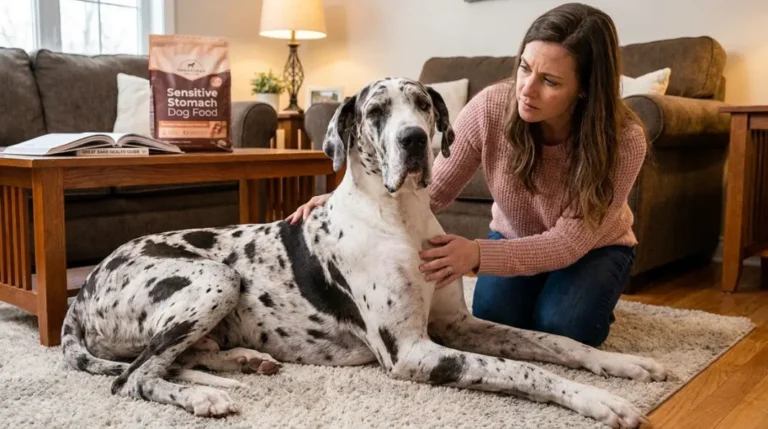
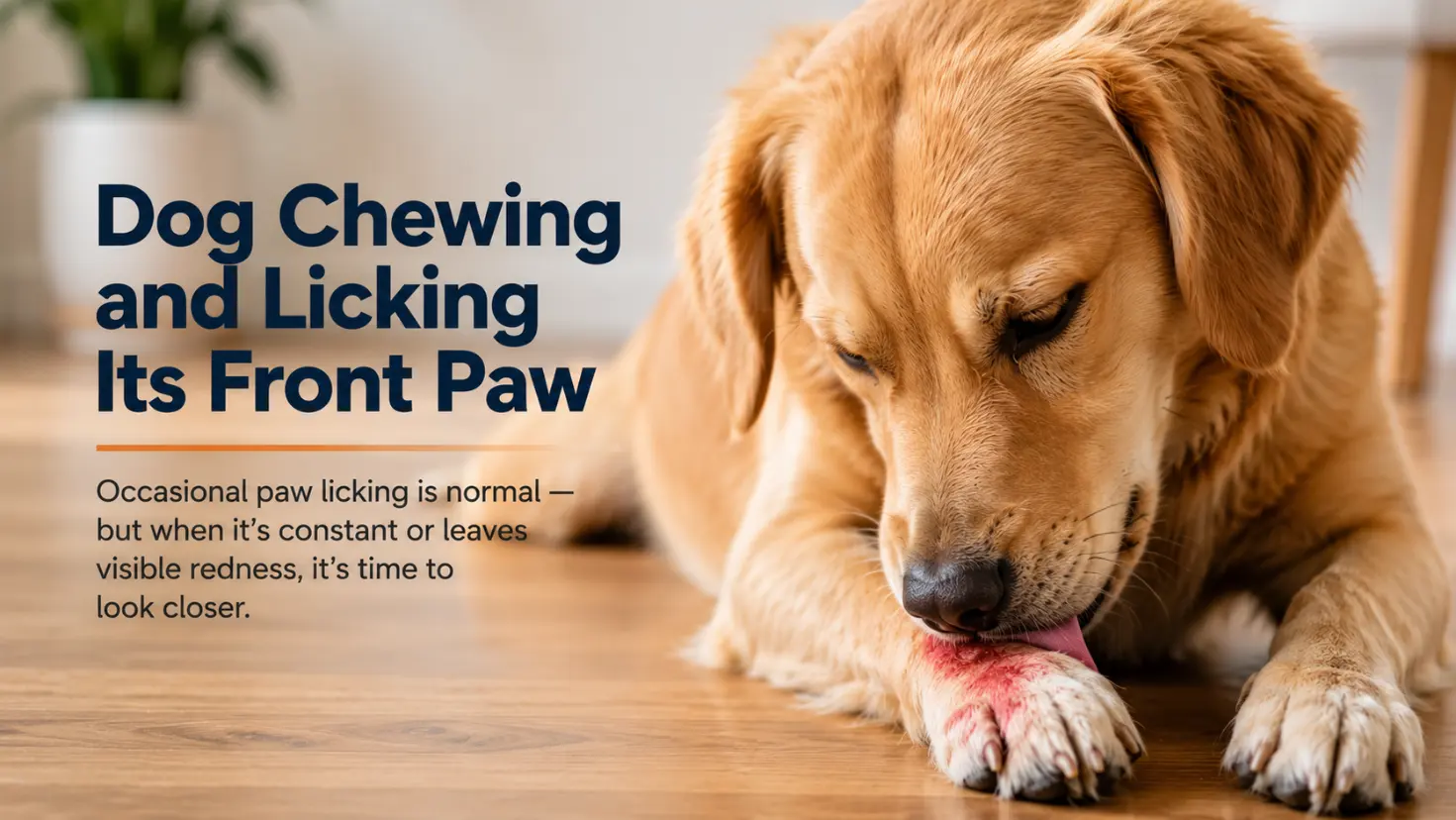
You notice it at first as a quiet, rhythmic sound — your dog licking and gnawing at their paws. A little here, a little there. But when it becomes constant, or when you see red, raw skin, hair loss, or brown staining between the toes, you know something’s going on. The question is: what?
Why is my dog chewing his paws is one of the most searched dog health questions online — and for good reason. It can mean a dozen different things, from a mild seasonal allergy to a developing infection to chronic anxiety. Some causes clear up quickly. Others need veterinary attention and a longer-term plan. This guide will walk you through all of it clearly.
Dogs chew their paws most commonly due to allergies (food or environmental), skin irritation, parasites like fleas or mites, bacterial or yeast infections, or anxiety and boredom. Brown staining between the toes, persistent licking, redness, or limping are all signs worth investigating. Occasional paw licking is normal grooming — but when it becomes frequent, focused, or results in visible skin changes, a vet visit is the right next step.
Quick Facts: Dog Paw Chewing at a Glance
Environmental or food allergies — affects dogs of all ages and breeds
Pollen-related paw chewing often peaks in spring and fall
Chronic licking leads to yeast overgrowth and bacterial skin infections
Anxiety and boredom can trigger compulsive paw licking in some dogs
Bleeding, limping, swelling, or hair loss warrants prompt veterinary care
Skin scrapes, allergy tests, or culture swabs may be needed to confirm the cause
The Most Common Reasons Dogs Chew Their Paws
There’s rarely one single answer. Most cases of paw chewing involve a primary trigger — an itch, a sting, a reaction — and then a secondary problem caused by the chewing itself. Understanding both layers is what helps owners actually get ahead of it.
1. Allergies — The Number One Culprit
Allergies are the most frequent reason dogs develop chronic paw chewing. They come in two main categories: environmental and dietary.
Environmental allergies — also called atopic dermatitis — occur when a dog reacts to airborne or contact allergens like grass pollen, mold spores, dust mites, or certain cleaning products. Because paws are constantly in contact with the ground, they’re often the first place owners notice a reaction. The dog walks through a freshly mowed lawn and within hours is gnawing at their feet.
Food allergies are trickier, because the reaction isn’t always obvious. Common triggers include proteins like chicken, beef, dairy, and wheat. Unlike seasonal allergies, food-related paw chewing tends to happen year-round. The skin between the toes may look pink, greasy, or slightly swollen. Some dogs develop ear infections alongside paw issues — another telltale sign of food sensitivity.
2. Yeast and Bacterial Infections
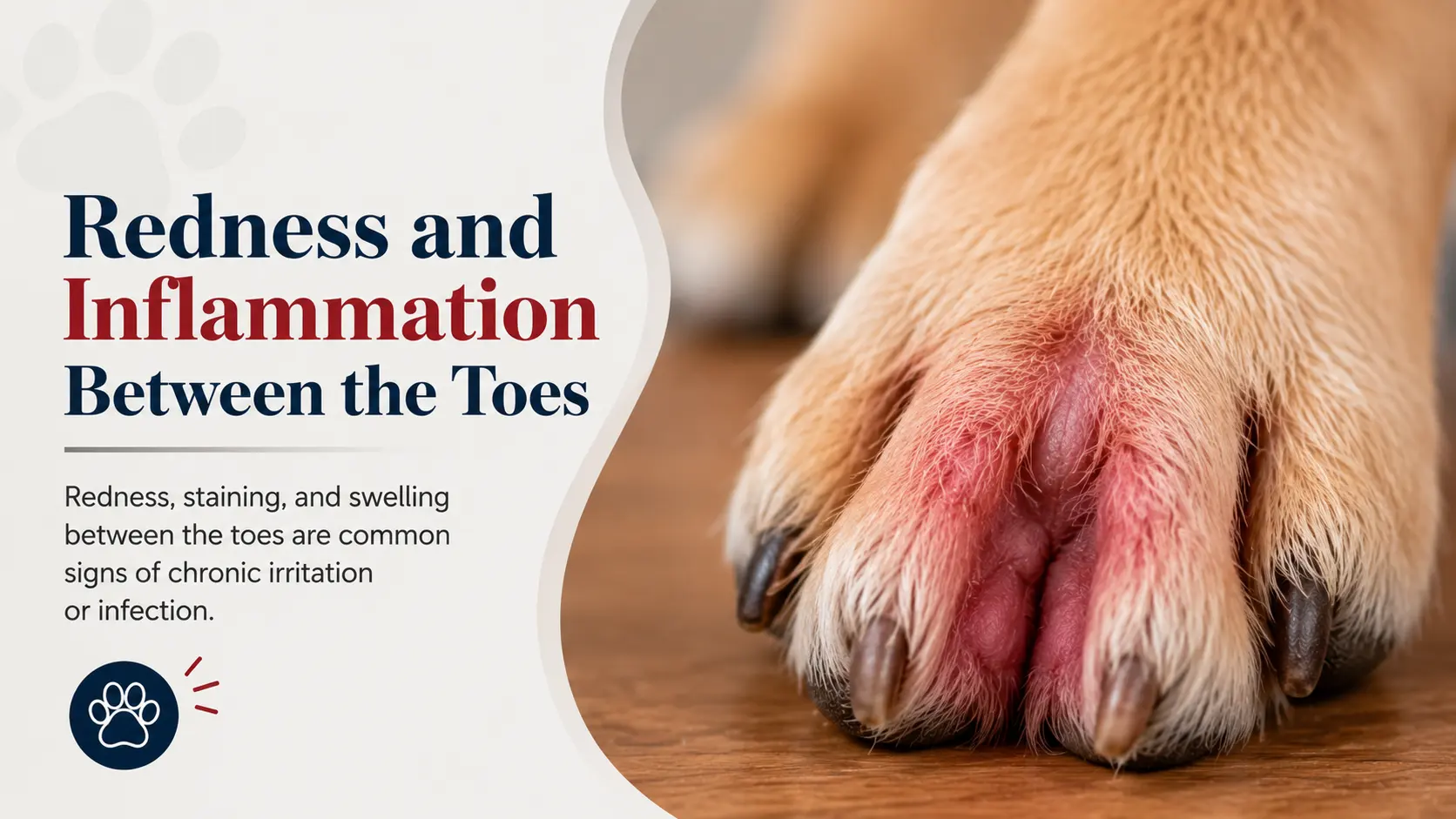
Here’s something many owners don’t realize: the chewing itself causes new problems. When a dog licks and gnaws persistently, the moisture trapped between the toes creates an ideal environment for yeast (Malassezia) and bacteria to thrive. You’ll often notice a distinctive sweet, corn-chip odor from the paws. The skin may look reddish-brown, greasy, or thickened.
These infections are often secondary to another issue — meaning the allergy comes first, the dog chews, the skin breaks down, and the infection follows. Treating only the infection without addressing the underlying trigger leads to a frustrating cycle. Your vet may prescribe antifungal shampoos, medicated wipes, or oral medications, but a longer-term plan matters just as much.
3. Parasites: Fleas, Mites, and More
Fleas don’t just cause body scratching. Flea allergy dermatitis — a reaction to flea saliva — can cause intense itching that concentrates in the lower body and paws. Even a single flea bite on a sensitive dog can trigger hours of gnawing.
Demodex mites and sarcoptic mange (scabies) can also cause paw-focused irritation, especially in puppies and young dogs. These require veterinary diagnosis through skin scraping — they can’t be seen with the naked eye. If your dog’s paw chewing came on suddenly and they seem intensely uncomfortable, parasites are worth ruling out quickly.
4. Contact Irritants and Chemical Exposure
Sidewalk salt, lawn chemicals, de-icing products, certain floor cleaners — dogs pick up all of these on their paws during everyday walks. For many dogs, this creates a mild to moderate chemical irritation that causes immediate licking or delayed chewing once they’re back home. In winter particularly, road salt can crack the paw pads and cause significant discomfort.
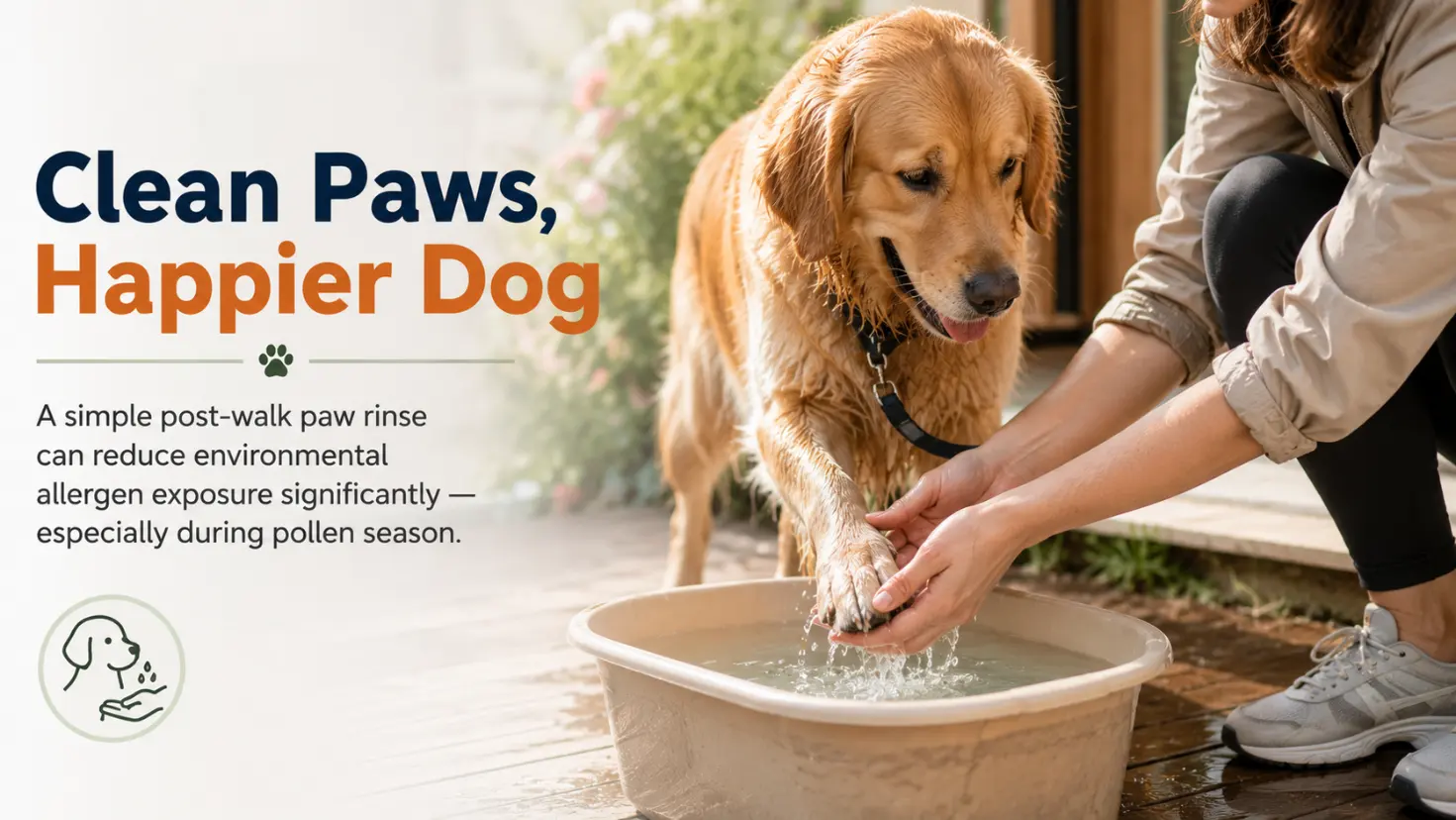
Rinsing and gently drying your dog’s paws after outdoor walks — especially in urban environments or treated surfaces — is one of the simplest things you can do to reduce exposure. It sounds small, but for chemically-sensitive dogs it makes a real difference.
5. Injury, Splinter, or Foreign Body
Sometimes the reason is mechanical rather than medical. A grass awn (foxtail), splinter, small stone, or thorn embedded in the paw pad or between the toes causes a dog to focus chewing on one specific spot. Unlike allergy-related chewing, this is usually isolated to a single foot or even a single toe.
Check between each toe carefully with good lighting. Gently part the fur and look for swelling, puncture marks, or anything visibly embedded. Foreign bodies can migrate deep into tissue quickly, so if you suspect one but can’t see or safely remove it, a vet visit is warranted.
6. Anxiety and Compulsive Behavior
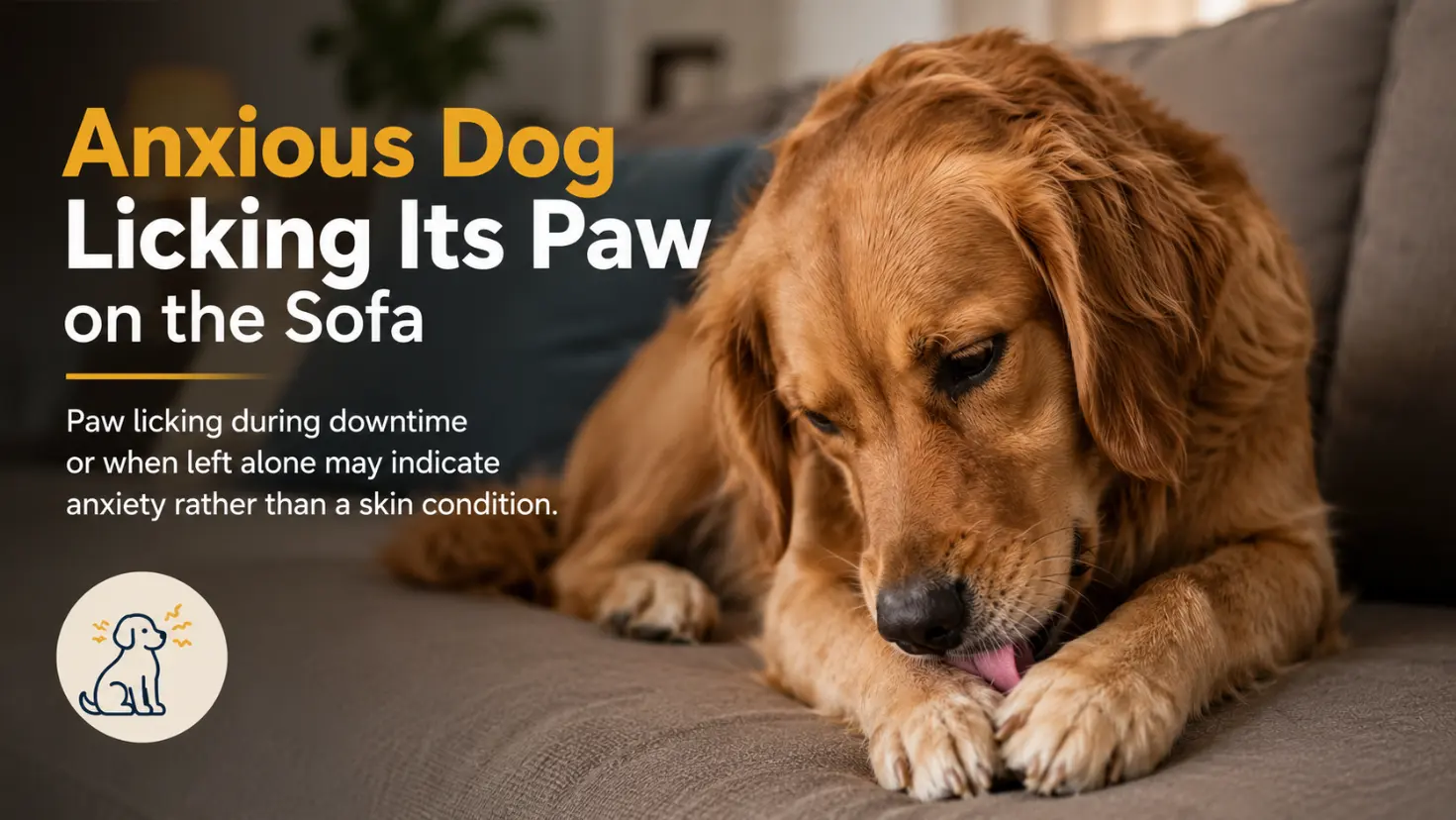
Emotional causes are real. Dogs dealing with separation anxiety, under-stimulation, chronic stress, or major routine changes — a new home, a new family member, a change in schedule — can turn paw licking into a self-soothing ritual. Over time, this becomes a compulsive habit even when the original stress has passed.
Behaviorally-driven paw chewing often happens at specific times: during your work hours, during thunderstorms, or in the evening when stimulation drops. The paws might not look as inflamed initially, but chronic licking will eventually cause skin changes regardless of the starting point. Addressing the anxiety — through enrichment, training, calming support, or behavior consultation — is part of the treatment, not just a nice add-on.
Why Is My Dog Chewing His Paws? A Cause-by-Cause Comparison
| Cause | Key Signs | Pattern | Action |
|---|---|---|---|
| Environmental Allergy | Redness, watery eyes, sneezing alongside paw chewing | Seasonal peaks (spring/fall) | Vet evaluation; allergy management |
| Food Allergy | Year-round chewing, ear infections, digestive issues | Consistent, no seasonal variation | Food elimination trial with vet guidance |
| Yeast Infection | Brown staining, corn-chip odor, thickened skin | Often secondary to allergies | Antifungal treatment + underlying cause |
| Bacterial Infection | Redness, crusting, discharge, soreness | Can develop rapidly from licking | Vet-prescribed antibiotics |
| Parasites (fleas/mites) | Intense itching, visible skin changes, body-wide scratching | Sudden onset or gradual | Parasite treatment + skin scrape |
| Contact Irritant | Licking immediately after walks, mild redness | After outdoor exposure | Paw rinse routine; identify irritant |
| Foreign Body | Focused on one paw/toe, possible limping or swelling | Sudden, localized | Inspection; vet removal if embedded |
| Anxiety / Boredom | Licking at specific times, no visible skin cause initially | Situation-dependent | Enrichment, behavior support |
Does Breed or Age Change the Picture?
Yes — meaningfully so.
Certain breeds are genetically predisposed to skin conditions and allergies that show up as paw chewing. Golden Retrievers, Labrador Retrievers, West Highland White Terriers, Bulldogs, Boxers, and Cocker Spaniels are among the breeds most frequently affected by atopy. If you have one of these dogs, paw chewing is something to watch for early rather than wait until it becomes a chronic issue.
Dogs with deep paw folds — like Bulldogs and Shar-Peis — trap more moisture between the toes, increasing yeast risk. Short-coated breeds may be more prone to contact irritants because there’s less fur buffering the skin from environmental exposure.
For puppies, paw chewing is often exploratory at first — puppies discover their paws the same way they discover everything else, through mouthing. But if a puppy under six months old is persistently focused on their paws with visible redness or discomfort, it’s worth checking for mange, which is more common in young dogs whose immune systems are still developing.
In senior dogs, new-onset paw chewing can sometimes relate to arthritis discomfort — a dog may chew or lick a paw near a joint that’s bothering them. It can also signal hormonal imbalances like hypothyroidism, which affects skin health and can cause itching. Any sudden behavioral change in an older dog deserves veterinary attention.
What Owners Usually Get Wrong
This is where a lot of well-meaning owners unintentionally make things worse:
- Waiting too long. Mild chewing becomes a habit and then an infection. Earlier attention means simpler solutions.
- Treating only the symptom. Using a paw balm or cone without figuring out why the chewing started means it keeps coming back.
- Changing the diet without guidance. Switching protein sources randomly isn’t a proper food elimination trial and rarely gives clear results. Work with your vet on this.
- Using human antiseptics. Products like hydrogen peroxide, Dettol, or certain essential oils can be toxic to dogs or cause additional irritation. Only use vet-approved topicals on dog skin.
- Assuming it’s always behavioral. Some owners chalk up persistent paw chewing to anxiety or boredom and skip the vet. In many of these cases, there’s an underlying allergy or infection that a behavior modification plan alone won’t touch.
- Removing the cone too soon. If your vet prescribes an Elizabethan collar to allow healing, removing it because your dog seems distressed can undo days of treatment progress.
How to Help Your Dog at Home (Before and Alongside a Vet Visit)
There’s a meaningful amount you can do as an owner to support your dog’s paw health — especially while you’re waiting on a vet appointment or managing a mild issue under veterinary guidance.
- Inspect the paws carefully. Part the fur between each toe in good light. Look for redness, swelling, discharge, foreign objects, or cracked pads. Do this calmly — a paw that hurts may cause even a gentle dog to snap.
- Establish a post-walk rinse routine. Use lukewarm water and gently dry between the toes after every walk. For dogs prone to environmental reactions, a diluted saline rinse can help remove surface allergens. Pat dry thoroughly — moisture left behind invites yeast.
- Keep the fur between the toes trimmed. Excess hair traps debris and moisture. You don’t need to shave the paw — just keep the fur between the pads tidy. A groomer can do this if you’re uncomfortable doing it yourself.
- Track when the chewing happens. Note the time of day, what preceded it, the season, and where the dog has been. This pattern data is genuinely useful to a vet trying to determine the cause.
- Consider a food diary if food allergy is suspected. Write down everything your dog eats, including treats and dental chews. Many food allergen triggers hide in flavored supplements or “incidental” food items.
- Add mental enrichment if boredom is a factor. Puzzle feeders, sniff walks, appropriate chew toys, and training sessions give anxious or under-stimulated dogs a healthier outlet than their own paws.
- Use paw balm or wax on cracked pads. For dogs with dry or cracked pads worsened by seasonal weather or chemical exposure, a vet-approved paw balm provides a barrier and helps healing. Avoid products containing tea tree oil or zinc, which can be toxic to dogs if licked.
When to Contact Your Veterinarian
Some paw chewing situations resolve with simple home management. Others genuinely need professional diagnosis. Here’s how to read the line:
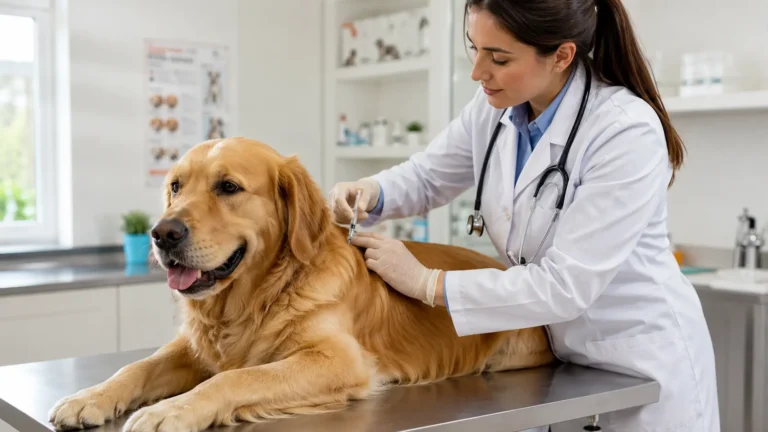
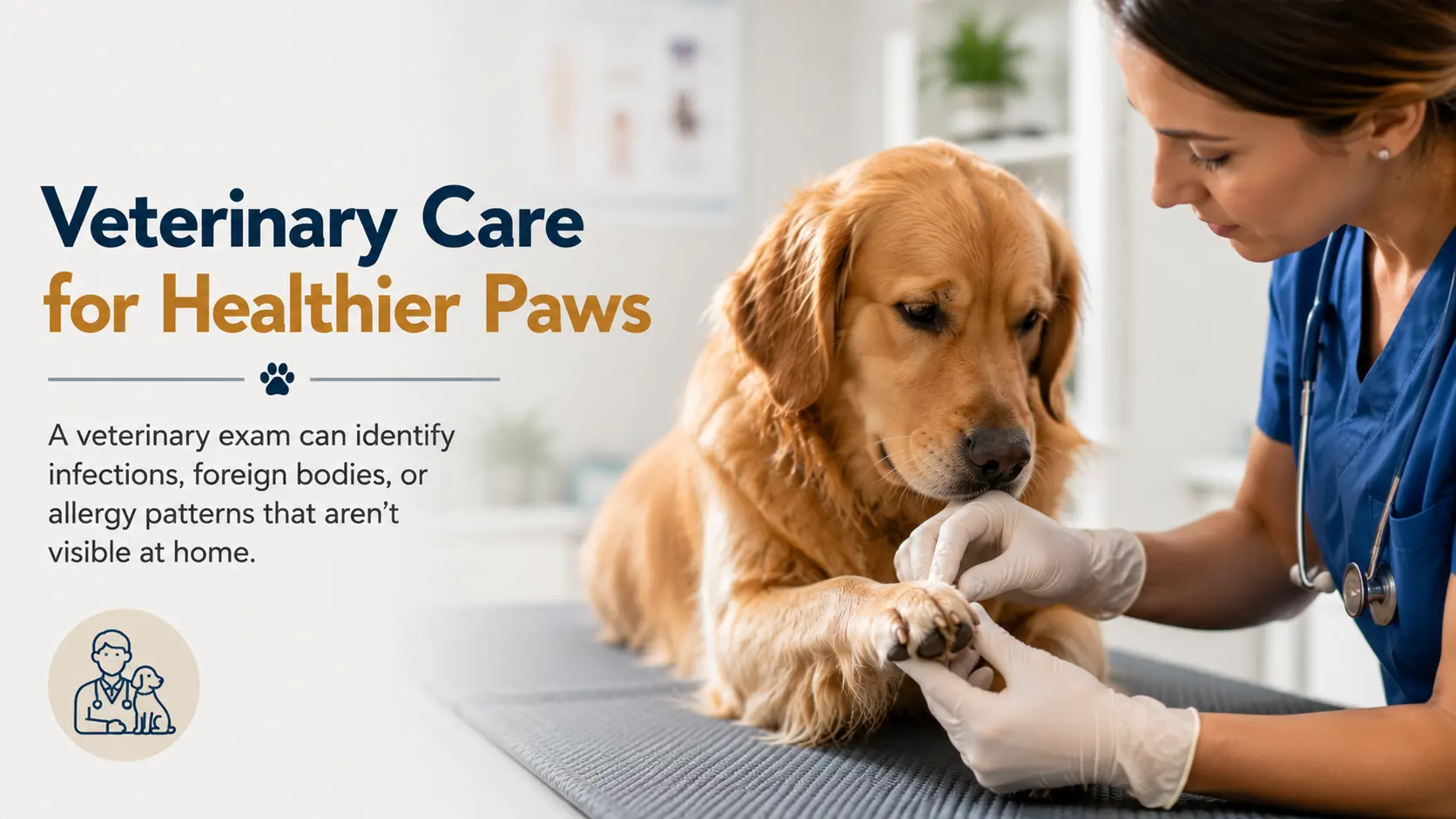
Your vet may perform a physical examination, a skin scrape, cytology (examining cells under a microscope), allergy testing, or recommend a food elimination trial. The goal isn’t just to suppress the symptoms — it’s to understand the root cause so you can actually resolve it.
Practical Owner Insight: Managing Chronic Paw Chewing Long-Term
For dogs with ongoing allergies or sensitivity — which is a significant portion of affected dogs — paw chewing management becomes part of life rather than a one-time fix. The owners who handle it most successfully treat it like a system rather than a crisis: regular paw checks, seasonal antihistamines or supplements recommended by their vet, consistent grooming between the toes, and a clear protocol for when to call the clinic.
Dogs with atopic dermatitis may benefit from omega-3 supplementation (fish oil) to support skin barrier function — but dosage and fish oil type matter, so confirm the right product and amount with your vet rather than guessing. Some dogs respond well to prescription allergy medications, while others are managed effectively with hypoallergenic diets and environmental controls alone.
The important thing is not to lose patience. Chronic skin conditions in dogs often take 8 to 12 weeks of consistent management to show meaningful improvement. That’s not failure — it’s the nature of skin healing and immune modulation. Keep your vet updated, track what you’re seeing, and don’t change multiple things at once or you won’t know what’s actually working.
Summary: Why Is My Dog Chewing His Paws?
Dog paw chewing is almost never random. It signals something — an itch, a sting, an emotion, an infection — and it deserves a real look rather than a wait-and-see approach, especially when it’s persistent or causing visible skin changes. Here’s what to carry away:
- Allergies — environmental and dietary — are the most common cause in dogs of all ages
- Yeast and bacterial infections often follow as secondary complications of chronic licking
- Parasites, contact irritants, foreign bodies, and anxiety are all legitimate triggers worth ruling out
- Brown staining, odor, redness, limping, swelling, or bleeding all warrant a vet visit
- Post-walk paw rinses, trimmed paw fur, and mental enrichment support home management
- Long-term cases need consistent management, not just reactive treatment
- Always work with a licensed veterinarian for diagnosis, skin conditions, and anything involving pain or visible infection